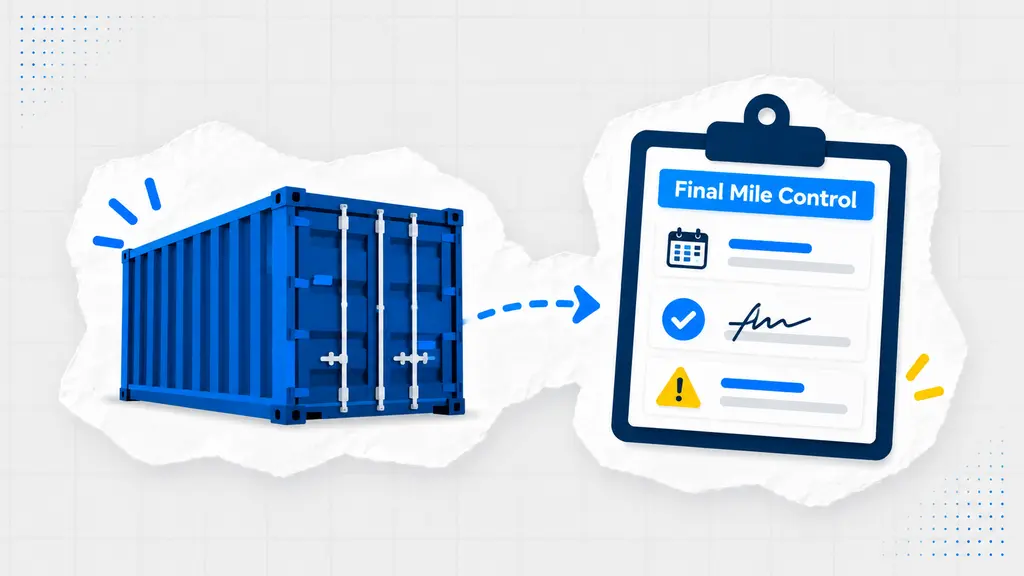
Customs clearance is the process of submitting required information and documents to customs authorities so goods can legally enter or leave a country. It may involve customs entry filing, tariff classification, valuation, origin review, duty and tax payment, permits, inspections, and release approval. Customs clearance confirms that the shipment meets import or export requirements before it can move to the consignee, warehouse, buyer, or onward destination. Delays often happen when documents, payments, product data, or compliance details are incomplete. For imports into the United States, it involves filing an entry with CBP, paying applicable duties and taxes, and obtaining release authorization.
The U.S. Customs Clearance Process
- Customs broker files an entry summary with CBP through ACE
- CBP reviews the entry and issues a release, hold, or exam notice
- Duties and fees are paid
- CBP releases the cargo to the importer
- Entry summary is liquidated, making the duty determination final
Common Clearance Delays
- Missing or incomplete documents
- CBP exam selection requiring physical or X-ray inspection
- PGA holds from FDA, USDA, or other agencies
- Anti-dumping or countervailing duty flags
Related terms: Customs Exam.