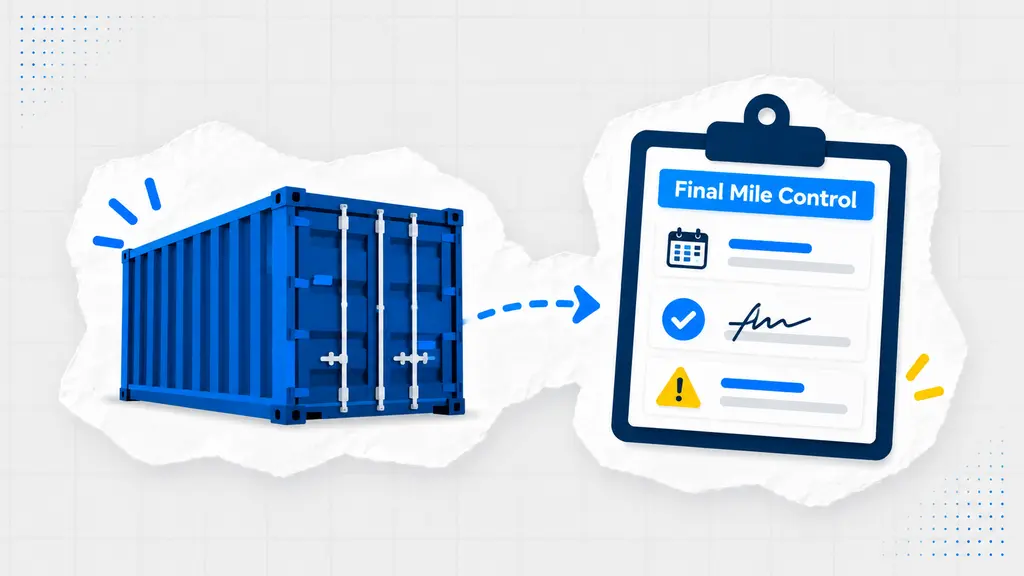
Domestic inland transit is the movement of cargo within one country by truck, rail, barge, or another inland transport mode. It often connects ports, airports, rail terminals, warehouses, factories, distribution centres, and final delivery points. In international logistics, domestic inland transit may happen before export as pre-carriage or after import as on-carriage. These movements are important for first-mile and final-mile delivery, customs routing, port drayage, and domestic distribution.
Domestic inland transit insurance covers goods while they are being transported within the destination country by truck, rail, or intermodal means after import customs clearance. It fills the coverage gap between port arrival and final delivery to the consignee’s warehouse.
- Standard cargo insurance typically covers port-to-port or warehouse-to-warehouse
- Domestic inland transit coverage extends protection to the final delivery point
- Important for high-value cargo traveling long distances from a port to an inland distribution center
- Confirm with your cargo insurer whether your policy includes U.S. inland coverage
Related terms: All-Risk Coverage, Intermodal Shipping.