International shipping is the process of transporting goods across national borders by ocean, air, road, rail, or a combination of transport modes. It involves more than moving cargo from one country to another; shipments may require customs declarations, duties and taxes, commercial invoices, packing lists, permits, product compliance checks, and country-specific import or export rules. International shipping is used by importers, exporters, ecommerce sellers, manufacturers, and logistics providers to move goods through global supply chains. For small parcels, documents, and samples that need fast door-to-door delivery, shippers often use an international courier instead of freight services.
Key Steps in International Shipping
- Prepare commercial documents: invoice, packing list, certificate of origin
- Book freight with a carrier or freight forwarder
- Export customs clearance at origin
- International transport by ocean, air, rail, or road
- Import customs clearance at destination
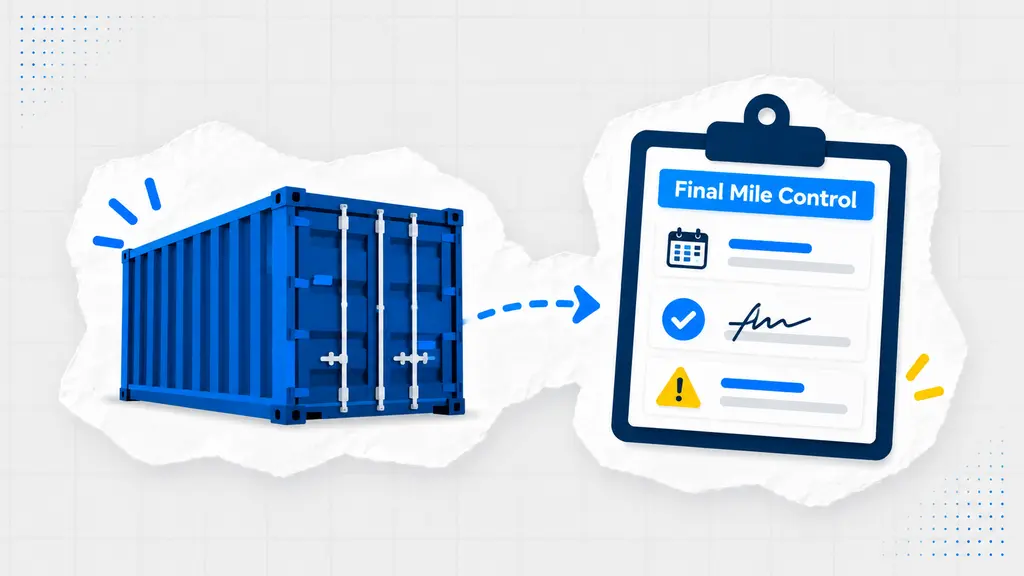
- Inland delivery to the consignee’s location
Working with an experienced freight forwarder or customs broker simplifies international shipping and reduces compliance risk.
Learn more about Dedola’s global logistics services. Related terms: Incoterms, Bill of Lading (BOL).