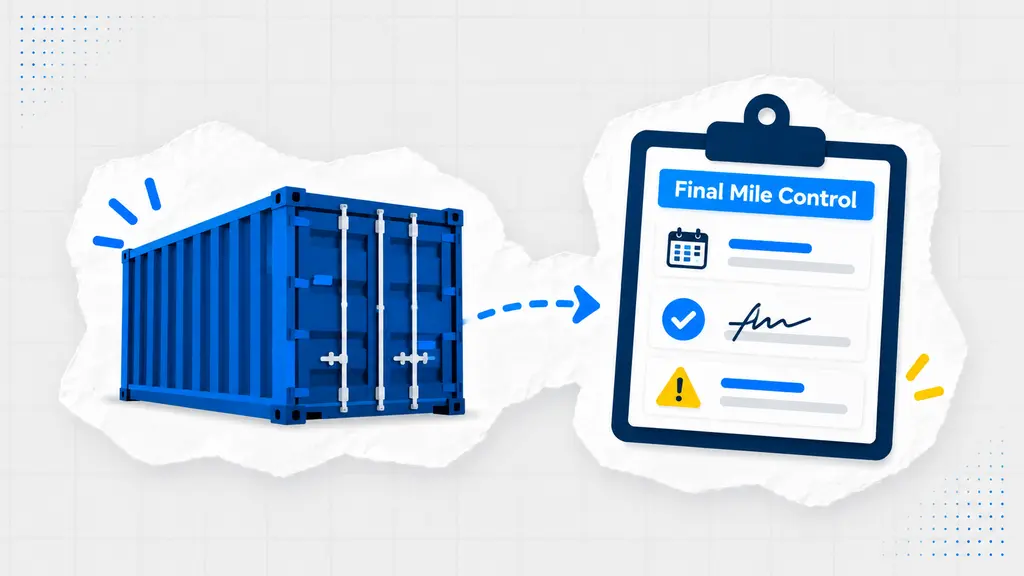
Last Free Day, or LFD, is the final day cargo or a container can remain at a port, rail terminal, or storage facility before additional charges begin. It marks the end of the allowed free time granted by the carrier, terminal, or rail operator. After the Last Free Day, the shipment may start accruing demurrage, storage, per diem, or other accessorial fees. Tracking the LFD is important because missed pickup deadlines can quickly increase landed cost and delay final delivery. These fees often escalate each day.
- Printed on the arrival notice issued by the ocean carrier
- Standard free time is 3 to 5 days at most major U.S. ports
- Extended free time is available from some carriers for an additional fee
- The LFD is distinct from the free time for chassis usage, which triggers detention
Acting on the arrival notice immediately and beginning customs clearance as soon as the vessel arrives is the most effective way to avoid demurrage charges.