 Stephen Dedola
Maritime Security & Cargo Movement
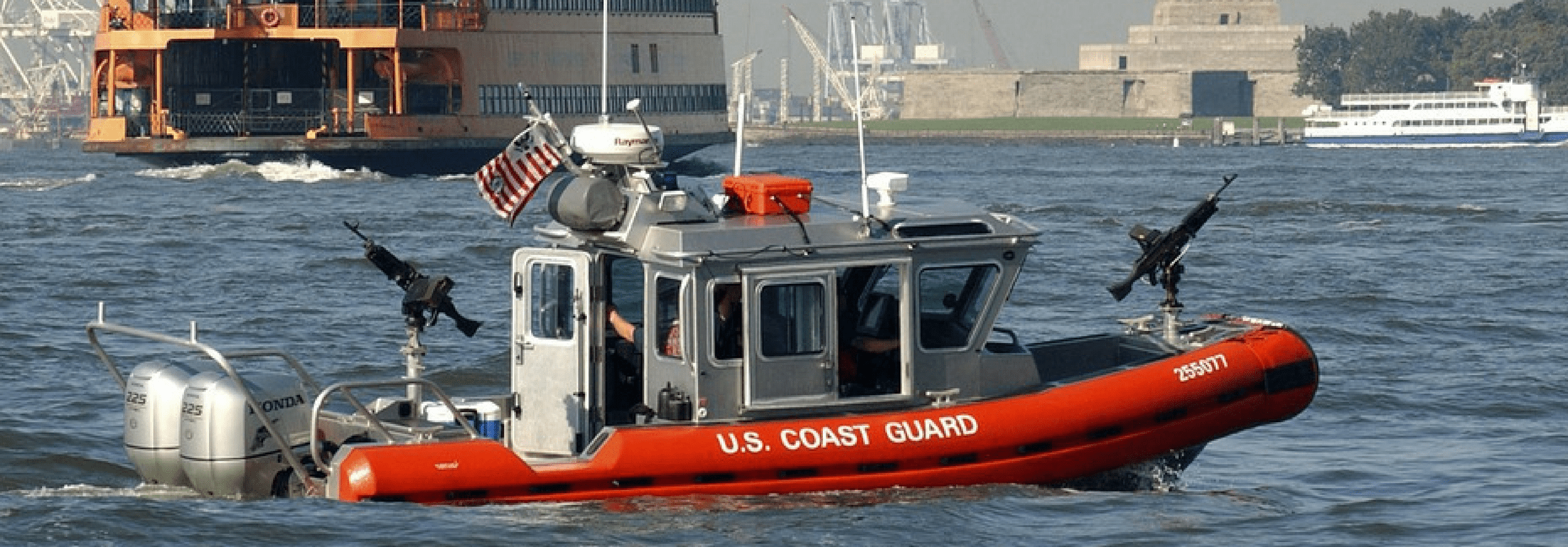
The United States Coast Guard has protected American waterways, ports, vessels, and maritime commerce for more than two centuries. Its origins go back to 1790, when the Revenue Cutter Service was created to enforce maritime law, collect customs revenue, and prevent smuggling along U.S. coasts.
Today, the Coast Guard’s work reaches far beyond its early revenue-enforcement role. For importers, exporters, freight forwarders, vessel operators, terminal operators, and supply chain teams, the Coast Guard helps keep the maritime transportation system safe, secure, and operational.
The Coast Guard does not “protect your cargo” in the same way cargo insurance does. It does something broader: it helps protect the maritime system that cargo depends on. That includes vessel safety, port security, waterways management, environmental response, facility security, hazardous cargo oversight, and emergency coordination when disruptions occur.
Dedola Global Logistics helps importers connect those maritime realities with practical freight planning, including ocean freight, air freight, customs documentation, supply chain coordination, and shipment visibility.
Explore Ocean Freight Services
Why the Coast Guard Matters to Cargo Shippers
Most importers do not interact with the Coast Guard directly on a routine shipment. A container may move from origin to destination without the importer ever hearing about a Coast Guard inspection, captain of the port order, security zone, vessel detention, hazardous cargo issue, or port safety restriction.
But the Coast Guard still affects the shipping environment. Its work helps vessels enter U.S. ports safely, supports secure terminal operations, responds to maritime emergencies, enforces safety requirements, and helps manage disruptions that could affect cargo flow.
For importers, that means Coast Guard activity can influence:
- Vessel arrival and departure timing
- Port access during emergencies
- Terminal and facility security requirements
- Hazardous materials and dangerous goods handling
- Response to spills, vessel incidents, or port closures
- Security rules for vessels and waterfront facilities
- Maritime safety enforcement affecting carriers and operators
A strong logistics plan should account for the fact that cargo movement depends on more than carrier schedules. It also depends on safe waterways, compliant vessels, secure terminals, and coordinated port operations.
A Brief History: From Revenue Cutters to Maritime Security
The Coast Guard’s earliest predecessor, the Revenue Cutter Service, was established in 1790 at the recommendation of Alexander Hamilton. Its original purpose was tied directly to trade: enforcing customs laws, collecting import duties, and stopping smuggling in U.S. waters.
That makes the Coast Guard’s history deeply connected to commercial shipping. In the early years of the United States, customs duties were a major source of federal revenue, and maritime enforcement helped protect the young country’s financial system.
Over time, the Coast Guard’s role expanded into search and rescue, marine safety, aids to navigation, environmental protection, port security, defense readiness, and law enforcement. Today, it remains one of the most important agencies in the maritime transportation system.
How the Coast Guard Supports Cargo Movement Today
The Coast Guard’s work touches many parts of the maritime supply chain. Importers may not see every action, but the effects can show up in vessel safety, port readiness, security procedures, and the way ports respond to disruption.
Port, Waterway, and Coastal Security
U.S. ports are critical infrastructure. The Coast Guard helps protect people, vessels, terminals, facilities, and cargo movement within the maritime transportation system. This work can include security patrols, regulated navigation areas, safety zones, access controls, inspections, and coordination with port stakeholders.
For shippers, secure ports help reduce the risk of disruption, unauthorized access, and security-related delays.
Vessel Safety and Compliance
Commercial vessels calling U.S. ports must meet safety and compliance expectations. The Coast Guard’s inspection and port state control activities help identify vessels that may create safety, environmental, or operational risk.
If a vessel is delayed because of safety or compliance issues, cargo onboard may also be delayed. That is why carrier reliability and vessel compliance matter when importers choose freight services.
Hazardous Materials and Dangerous Goods Oversight
Dangerous goods and hazardous cargo require special care. Incorrect declarations, poor packaging, missing documents, or mishandled hazardous materials can create serious risks at sea and in port.
Importers shipping batteries, chemicals, aerosols, flammable goods, regulated medical products, or other dangerous goods should work closely with logistics partners to prepare documentation and packaging correctly before cargo moves.
Environmental Response
The Coast Guard plays a key role in responding to marine pollution, oil spills, and vessel incidents. These events can affect port operations, vessel schedules, terminal activity, and cargo availability.
When a maritime incident disrupts operations, importers need a freight partner that can monitor the situation, communicate clearly, and evaluate alternate routing when necessary.
Navigation and Waterway Management
Safe navigation is essential for ocean freight. The Coast Guard supports the movement of vessels through U.S. waterways by managing navigational safety, responding to hazards, and coordinating during emergencies.
This matters most during storms, vessel groundings, bridge incidents, channel restrictions, or port closures. Even a short waterway disruption can affect vessel berthing, container discharge, drayage appointments, and final delivery.
What Importers Should Understand About Port Disruptions
Coast Guard actions are usually designed to protect safety and security, but they can still affect cargo movement. When the Coast Guard establishes a safety zone, closes a waterway, responds to an incident, or restricts vessel movement, shipments may be delayed even if the importer did everything correctly.
Common disruption scenarios include:
- Severe weather affecting port access
- Vessel collisions or groundings
- Hazardous cargo incidents
- Oil spills or environmental response activity
- Security events at or near port facilities
- Navigation channel closures
- Vessel safety detentions
- Terminal access restrictions
These events are not always predictable. Importers should build flexibility into freight planning, especially when cargo is tied to retail launches, production schedules, medical supply needs, or customer delivery commitments.
Coast Guard Rules and Facility Security
Many U.S. port facilities and vessels operate under security requirements connected to the Maritime Transportation Security Act and international ship and port facility standards. These rules can involve facility security plans, access control, cargo area monitoring, restricted areas, identification requirements, and communication procedures.
Importers do not usually manage these port security plans directly. However, their cargo moves through facilities that must follow them. That means delivery appointments, terminal access, driver credentials, container pickup rules, and cargo handoffs may all be affected by security procedures.
This is another reason importers need accurate shipment data, clear documentation, and reliable communication between forwarders, carriers, customs brokers, drayage providers, warehouses, and consignees.
How Coast Guard Activity Can Affect Ocean Freight Planning
Ocean freight depends on many coordinated steps. A vessel must arrive safely, berth at the terminal, discharge containers, clear port procedures, release cargo, and connect with drayage, rail, warehouse, or final delivery networks.
Coast Guard-related delays can occur before a vessel reaches the port, while it is waiting at anchorage, during a safety inspection, after an incident, or during an emergency response. In most cases, importers cannot control these events. They can only plan for them.
A practical ocean freight plan should include:
- Realistic transit and delivery timelines
- Updated vessel and terminal visibility
- Customs documentation prepared before arrival
- Drayage coordination before free time expires
- Backup delivery plans for urgent cargo
- Clear communication with warehouses and customers
- Alternative routing options when disruption risk is high
When Air Freight May Be Needed
If cargo is urgent, high-value, or critical to operations, ocean freight disruption may require a faster option. In those cases, air freight can help recover time, protect inventory, or keep production moving.
Importers may consider air freight when:
- Ocean cargo is delayed by port disruption
- A product launch cannot miss the deadline
- A replacement part is needed urgently
- Medical supplies or devices have a narrow delivery window
- Retail inventory is at risk of missing a seasonal sales period
- A split shipment can move urgent cartons by air while the balance moves by ocean
Air freight is usually more expensive than ocean freight, but it can be the right choice when the cost of delay is higher than the cost of faster transportation.
Industries Most Affected by Maritime Disruptions
Retail and E-commerce
Retailers and e-commerce businesses often operate around launch dates, seasonal demand, marketplace delivery expectations, and warehouse appointment windows. Port disruptions can create stockouts or missed sales periods if cargo is not monitored closely.
Fashion and Apparel
Fashion shipments are highly sensitive to timing. A late container can miss a selling season or retail floor set. Dedola supports fashion and apparel freight shipping with route planning, supplier coordination, shipment visibility, and mode comparisons.
Medical Supplies and Devices
Healthcare cargo can require careful documentation, predictable timing, and reliable tracking. If ocean delays create risk, shippers may need to compare air freight or split shipment options. Dedola supports medical supplies and devices freight shipping with logistics planning and visibility.
Automotive and Aftermarket Parts
Automotive parts can affect repairs, production schedules, dealer networks, and customer service. Delays at the port may create downstream disruption. Dedola supports aftermarket auto parts imports with customs coordination, freight planning, and delivery visibility.
Industrial and Manufacturing Cargo
Manufacturers may depend on imported components, tools, machinery, or replacement parts. Maritime disruptions can affect production lines and customer commitments, making proactive freight planning especially important.
What Importers Can Do to Reduce Maritime Risk
Importers cannot control Coast Guard decisions, port safety restrictions, vessel incidents, or severe weather. They can control how prepared their supply chain is when disruption happens.
Practical steps include:
- Prepare documents early: Commercial invoices, packing lists, bills of lading, product descriptions, tariff codes, and certificates should be ready before arrival.
- Monitor vessel milestones: Track departure, transshipment, arrival, terminal status, and cargo release milestones.
- Use realistic delivery windows: Do not build plans that assume every vessel, terminal, and truck appointment will run perfectly.
- Review cargo risk: High-value, urgent, regulated, or seasonal goods may need special routing or contingency planning.
- Coordinate drayage early: Waiting until cargo is available can increase the risk of missed appointments, storage, or detention.
- Know when to use air freight: A split shipment or urgent air move may protect a launch, production line, or customer commitment.
- Work with an experienced logistics partner: When disruption happens, communication and execution matter more than the original quote.
How Dedola Helps Importers Navigate Maritime Complexity
Dedola Global Logistics helps importers plan around the real-world complexity of maritime freight. While the Coast Guard supports the safety and security of U.S. maritime transportation, Dedola helps customers manage the commercial logistics side: freight routing, supplier coordination, documentation, customs handoffs, shipment visibility, and delivery planning.
Dedola can support importers with:
- Ocean freight planning and carrier coordination
- Air freight alternatives for urgent cargo
- Supplier communication and cargo-ready date tracking
- Customs documentation coordination
- Drayage, warehousing, and inland delivery planning
- Shipment milestone visibility
- Mode comparisons for cost, timing, and risk
- Supply chain planning for importers with recurring shipments
The goal is to help businesses move cargo with fewer surprises, clearer communication, and better contingency planning when maritime conditions change.
The Coast Guard Protects the Maritime System Your Cargo Depends On
The U.S. Coast Guard has evolved from a small fleet of revenue cutters into a modern maritime service responsible for safety, security, stewardship, and readiness across U.S. waters and ports. For importers, its work is part of the hidden infrastructure that makes international trade possible.
Cargo owners may never speak directly with the Coast Guard, but they benefit from safer vessels, more secure facilities, managed waterways, incident response, and port security programs. Understanding that role helps importers see ocean freight as a connected system rather than a simple port-to-port transaction.
Need Help Planning Ocean Freight With Fewer Surprises?
If your business imports by ocean and needs stronger visibility, documentation support, routing guidance, or contingency planning, Dedola can help build a freight strategy that accounts for cost, timing, compliance, and disruption risk.
Contact Dedola Global Logistics
Frequently Asked Questions About the Coast Guard and Cargo Shipping
Does the U.S. Coast Guard protect cargo?
The Coast Guard does not protect individual cargo in the same way cargo insurance does. Instead, it helps protect the maritime transportation system through port security, vessel safety, waterways management, emergency response, and maritime law enforcement.
How can Coast Guard activity affect imports?
Coast Guard activity can affect imports when vessel inspections, safety zones, port restrictions, maritime emergencies, hazardous cargo incidents, or security events delay vessel movement, terminal access, or port operations.
What is the Coast Guard’s role in port security?
The Coast Guard helps secure U.S. ports, waterways, vessels, and maritime facilities through security requirements, inspections, access control oversight, patrols, response planning, and coordination with port stakeholders.
Can a Coast Guard issue delay a shipment?
Yes. If a vessel, port area, waterway, or terminal is affected by a safety or security issue, cargo may be delayed until the situation is resolved and normal operations resume.
Should importers buy cargo insurance?
Importers should strongly consider cargo insurance for valuable or risk-sensitive shipments. Coast Guard activity supports maritime safety and security, but it does not replace insurance for loss, damage, theft, or other covered cargo risks.
Can Dedola help if ocean freight is disrupted?
Yes. Dedola can help monitor shipment milestones, coordinate with carriers and service providers, compare alternate routes, evaluate air freight options, support documentation, and plan inland delivery when ocean freight is disrupted.