
 Marc Dedola
Q: How have U.S. tariffs evolved, and what does that mean for your supply chain?
A: As of August 13, 2025, tariffs on Indian goods have jumped to 50% effective August 27 (25% base + 25% penalty), the U.S.–China tariff truce has been extended another 90 days, and importers are front-loading shipments—especially from China—to avoid future spikes amid legal uncertainty and shifting sector rules.
Key Insights
- India tariffs doubled to 50%, targeting sectors like apparel, shrimp, and carpets.
- U.S.-China tariff truce extended to November 10, temporarilyblocking spikes to 145%.
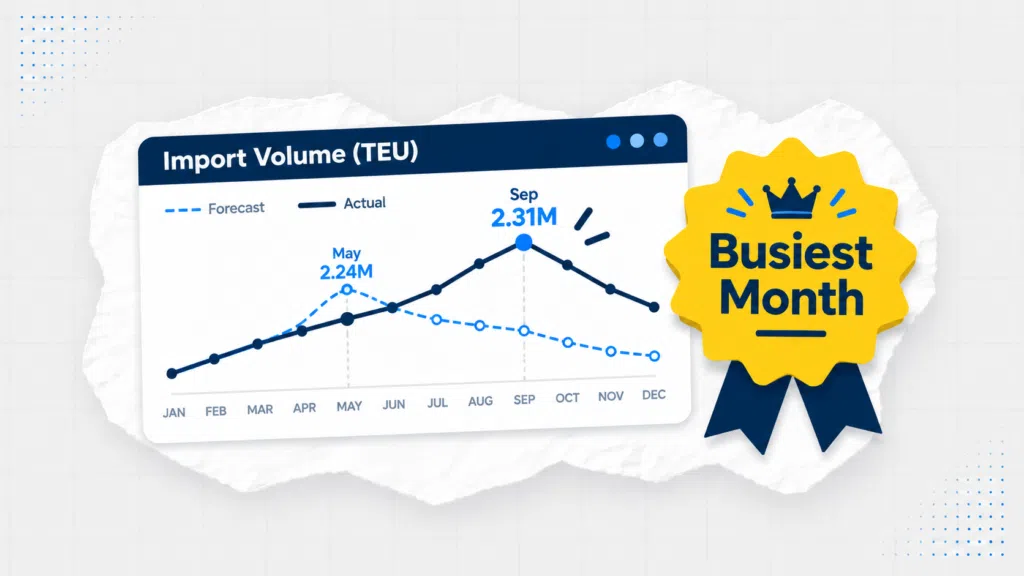
- Retailers rushed imports, pushing container volumes in July to record highs.
- Auto parts exports from India may drop 15-20%, hitting a $7B trade area.
- Legal challenges to tariffs under IEEPA persist, but duties remain in place.
- Commodity shifts like soybeans now favor Brazil over U.S. for Chinese buyers.
What’s Changed—and Why It Matters to You
How have tariffs on Indian imports escalated?
- As of August 6, another 25% tariff is added, bringing total duties to 50%, effective August 27, with transit exemptions until September 17.
- This hits diverse sectors—garments, diamond polishing, shrimp, home textiles, solar panels, agrochemicals, and more—threatening export viability.
- Analysts warn this may slash India’s apparel exports by up to 70% and automotive components by 15–20%.
What’s happening with U.S.–China trade?
- The previously scheduled tariff hike has been extended another 90 days until November 10.
- The pause prevented tariffs from escalating into the triple digits—45% for U.S. goods, 125% for Chinese, etc.
- However, U.S. exporters—especially soybean suppliers—are already losing ground, as Chinese buyers source from Brazil.
How are import flows responding?
- U.S. container imports peaked in July, indicating frontloaded shipments ahead of projected tariff escalations.
Are the tariffs legally secure?
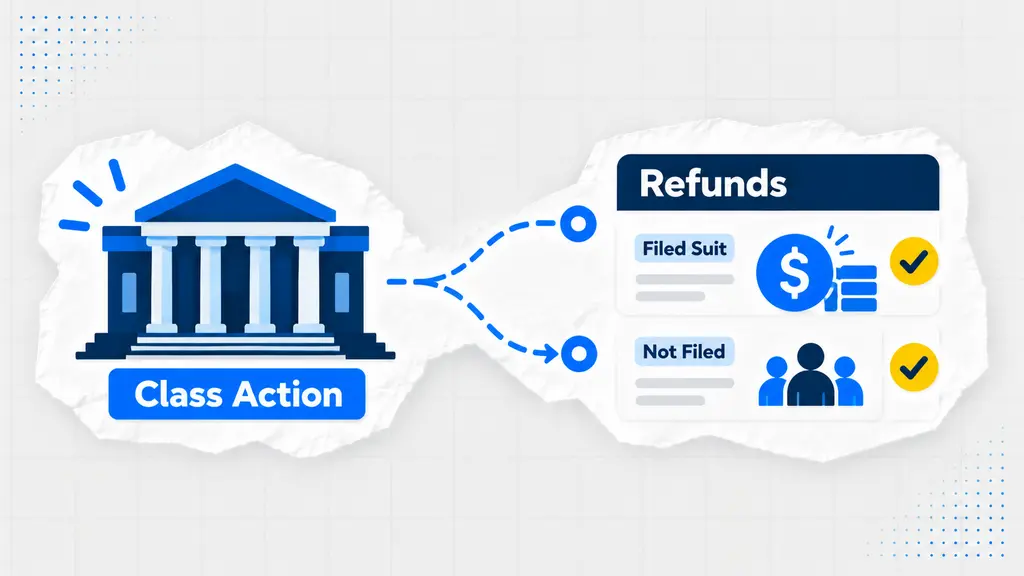
- Federal courts (CIT) have already ruled Trump’s tariffs under IEEPA illegal, but appeals are pending, so enforcement continues for now.

What Should Importers Do Now?
- Reassess sourcing from India—rising tariffs may severely impact costs in apparel, auto parts, and specialty goods.
- Frontload China-origin shipments where possible, taking advantage of the truce extension through November.
- Track legal developments—if IEEPA-based tariffs are overturned, refunds or reversals may follow.
- Reevaluate U.S. sourcing or reshoring—tariff pressure and court risks make domestic options more appealing.
- Adjust inventory timing, especially for seasonal goods, as seen with retailers preshipping in July.
- Consult Dedola’s Tariff Classification Guide and ocean/air freight services for optimized routing and documentation.
Key Takeaways for Importers
- India tariffs now at 50%—prepare for sharp cost jumps and possible supply shifts.
- China truce gives breathing room—plan shipments with November in view.
- Legal outcome remains uncertain—maintain flexibility in your plans.
- Import patterns are frontloaded—consider capacity impacts and storage.
- Diversification is essential—explore alternative sourcing and shipping modes.
FAQ
Q: When do India’s new tariffs take effect, and is there a grace period?
A: They take effect August 27, with exemptions for goods already in transit entering by September 17. Dedola can help with transit status and entry strategies.
Q: Should I expect tariffs on Chinese goods later this year?
A: Currently deferred until November 10. Dedola can advise on shipment pacing and documentation to leverage the delay.
Q: Are tariffs legally fragile right now?
A: Yes—courts have flagged IEEPA-based tariffs as unconstitutional, but enforcement continues during appeals. Dedola will monitor for refund eligibility or reversals.
Q: How should I manage imports under these conditions?
A: Use our Ocean Freight and Air Freight services to optimize timing, select exempt zones, and align with tariff rules. We’ll help map cost-efficient routes.
Q: What can I do about India-origin costs?
A: Explore sourcing diversification, supply chain restructuring, or transitioning through U.S. domestic manufacturing, guided by our tariff advisory services.