


Key Takeaways for Importers
- Deadline moves to January 10. The US and China have extended their tariff suspension by two months. For Chinese-origin cargo, Q4 customs clearance for imports proceeds at current duty rates.
- Arrival date sets the rate. For a pre-filed entry, CBP applies the rate in force when the vessel arrives within port limits. The departure date doesn’t count, so the booking date matters more than the filing date.
- Freight is moving first. Front-loading ahead of the new deadline has already pushed the Asia to US West Coast spot benchmark higher.
Immediate Shipper Alert: US-China Tariff Truce Extended to January 10
The suspended US-China tariff increases stay on hold until January 10 [1]. Any container that should enter at today’s duty rates has to reach a US port before that date, and December sailings will likely have the tightest margins.
What the extension covers. The bilateral pact keeps scheduled tariff increases on Chinese goods frozen through January 10 [1]. Consumer goods and electronics avoid an immediate duty hike, but confirm scope and rates for your HTS lines against the USTR notice [2].
Exclusions keep their own dates. Section 301 product exclusions are extended by separate Federal Register notice, not by the truce [3]. If you claim an exclusion, check its expiry. It won’t necessarily line up with January 10.
How CBP fixes the duty rate. Under 19 CFR 141.69 [5], duty follows the rate in force at the time of entry, not the date the vessel sailed. For an entry filed before arrival, that time is the vessel’s arrival within port limits with intent to unlade. Pre-filing speed up release but doesn’t lock in a rate.
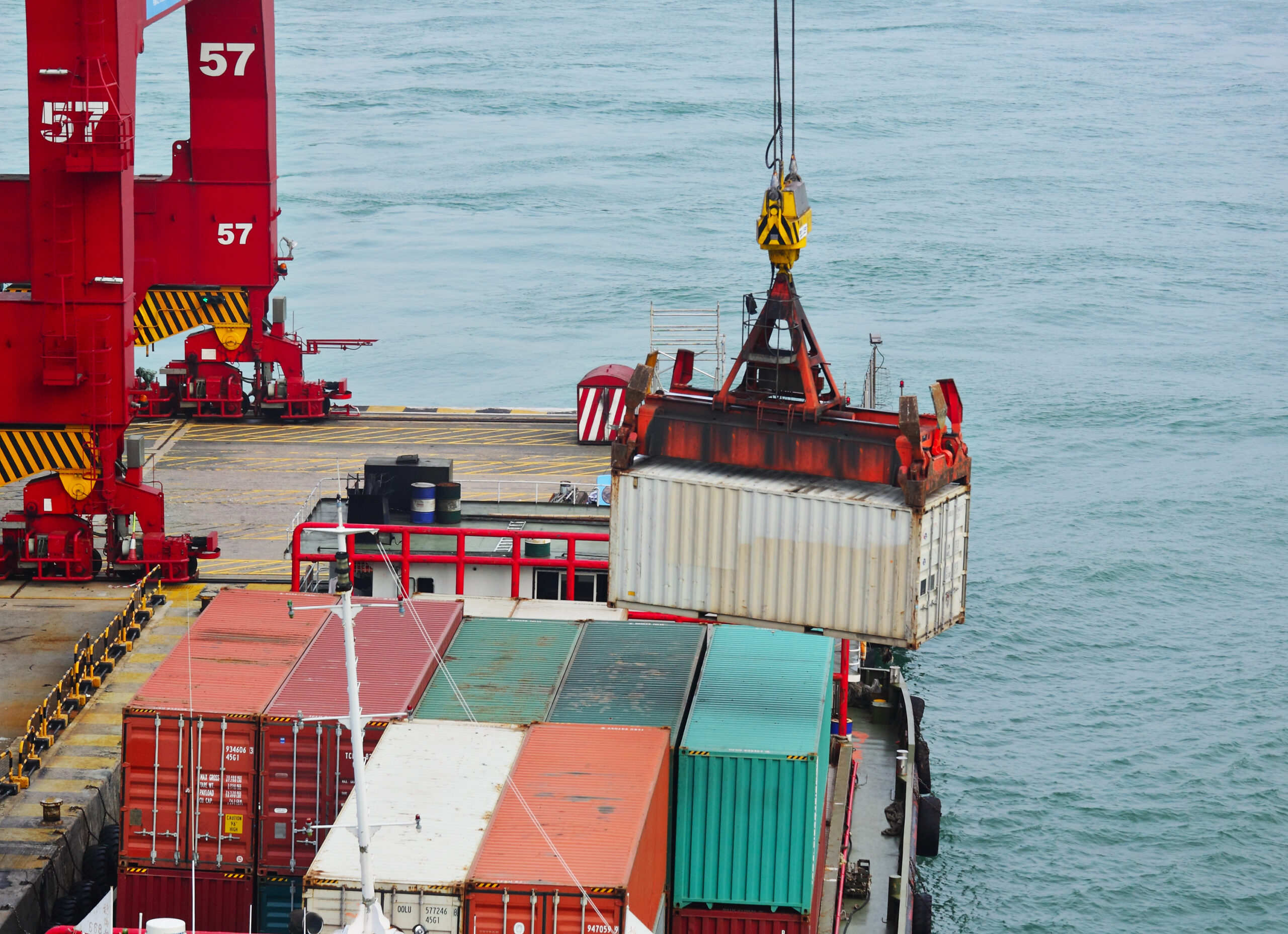
Release and the 7501 are separate steps. You can file an ACE cargo release entry up to five days before arrival [5]. The CBP Form 7501 entry summary normally follows release. Accurate HTS classification at both stages keeps a hold from extending past the deadline.
A slow filing may increase your rate. When you file the entry after arrival, the filing date becomes the entry date [5]. A vessel that lands on January 8 can still miss current rates if paperwork is filed after the ship lands.
Transpacific rate pressure. Front-loading has lifted the FBX01 China-to-US West Coast index to $8,410 per FEU [4]. Holiday restocking and tariff-driven volume are tightening space into Los Angeles and Long Beach. Expect tighter allocations and a higher chance of rolled bookings.
Sector exposure if talks fail. Consumer electronics, power supplies, aftermarket automotive parts, and plastic packaging carry the largest landed-cost swing if the truce lapses without a deal [1]. Model the reinstated rate from the USTR notice against declared value per container [2]. Don’t assume a flat percentage.
Schedule reliability is the weak link. Sea-Intelligence puts transpacific schedule reliability at 52.4% [6]. Roughly half of sailings arrive off schedule, and winter blank sailings thin capacity even further. If you book a December departure with no buffer, you could be gambling on the duty rate.
Carrier Surcharge & Landed Cost Impact Matrix
| Trade Corridor | Charge Type | Impact | Effective Date |
|---|---|---|---|
| China/East Asia to US West Coast (FBX01) | Spot freight benchmark | $8,410 per FEU | Current [4] |
| China/East Asia to US East Coast (FBX03) | GRI / Peak Season Surcharge | Per carrier advisory, confirm at booking | Carrier-specific |
| China origin, all US ports | Suspended tariff increase | Ad valorem on declared value, rate per USTR notice | January 10 [2] |
| US gateway terminals | Demurrage and detention | Per terminal and carrier tariff | After free time expires |
3-Step Shipper Mitigation Action Plan
Recommended Next Steps for Logistics Managers:
- Plan backward from arrival. Set factory and origin cutoffs from a US port arrival well before January 10. Build in extra days to cover the gap between scheduled and actual arrivals [6].
- Pre-file and verify HTS now. Have your broker file the ACE entry up to five days before arrival so release isn’t held at discharge. Settle any classification questions before the vessel departs [5].
- Route urgent cargo to West Coast discharge. Book time-sensitive electronics and consumer goods into West Coast terminals, where the ocean leg is shorter than all-water East Coast routings. Calculate inland rail time and rates before you commit.
We understand that today’s freight market is volatile and complicated. Fortunately, Dedola has been helping importers navigate complexity for over 50 years, and we’re here for you. If you want help planning for your end-of-year shipments, reach out to our team today.
References
- Supply Chain Dive: US, China to extend trade war truce by 2 months
- Office of the United States Trade Representative: Notice on Section 301 Tariff Action Extensions
- Federal Register: Extension of Certain Exclusions: China’s Acts, Policies, and Practices Related to Technology Transfer, Intellectual Property, and Innovation
- Freightos: Freightos Baltic Index (FBX): Global Ocean Freight Rates
- U.S. Customs and Border Protection: Cargo Systems Messaging Service (CSMS) Duty Rates and Entry Procedures
- Sea-Intelligence: Global Liner Performance (GLP) Schedule Reliability Report