Rolled cargo is freight that does not load onto its originally scheduled vessel, flight, train, or truck and is moved to a later departure instead. In ocean freight, cargo is often rolled because of vessel overbooking, port congestion, equipment shortages, missed cutoffs, customs holds, weight restrictions, or operational changes. Rolled cargo can delay delivery, affect inventory planning, and create extra costs such as storage, demurrage, detention, or rebooking fees.
Rolled cargo occurs when a shipment that was booked and confirmed on a specific vessel is not loaded as planned, and is instead moved to the next available sailing. Rolling is caused by vessel overbooking, blank sailings, space shortages, or late cargo arrival.
- Can add one to several weeks of delay depending on service frequency
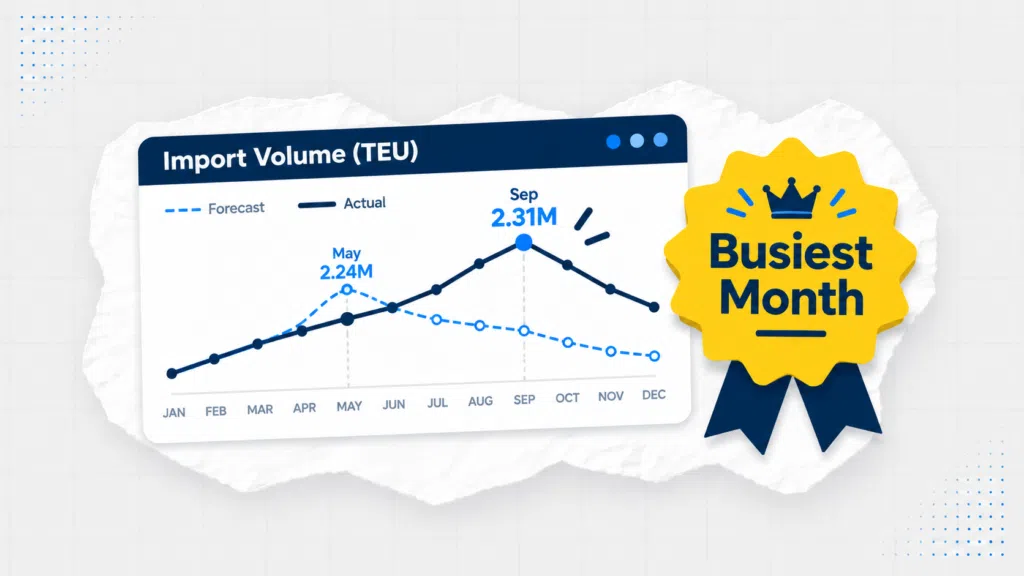
- Most common during peak season, Chinese New Year, and Golden Week
- Carriers typically notify the forwarder, who must rebook on the next available vessel
- Rolling has downstream impacts on delivery dates, purchase orders, and retail compliance
To reduce the risk of rolled cargo, book space early, confirm the booking close to the cut-off date, and deliver cargo to the CFS ahead of the cut-off deadline.
For related logistics context, see glossary entries on Blank Sailing, Booking Confirmation, Cargo Ready Date (CRD), and Peak Season Surcharge.