 Corina Meono
The Known Shipper Management System (KSMS) is a program the Transportation Security Administration (TSA) uses to qualify shippers to load cargo on passenger planes in the U.S. The purpose of the KSMS is to enhance the safety and security of international and domestic airlines. If a shipper is approved by TSA, they are considered a Known Shipper.
One of the greatest benefits of being a Known Shipper is that you can ship on passenger and cargo planes, which gives you greater flexibility. Navigating air freight regulations can feel complicated, but the Known Shipper program is a practical way to bypass the usual restrictions and get your cargo on more flights.If you have questions about the KSMS or air freight, fill out the form below for more information.
What is a TSA Known Shipper?
A Known Shipper is essentially a business that has earned the TSA’s trust. Once you are vetted and approved, the TSA allows your cargo to fly on passenger planes. It is a simple security measure that makes a world of difference for your shipping options.
There are two categories for shippers:
- Known Shipper: These businesses have an established shipping history and have undergone a verification process. They have access to a wide network of passenger plane cargo space in addition to all-cargo aircraft.
- Unknown Shipper: This applies to any shipper who has not been vetted through the KSMS. Because they haven’t been verified, their cargo is restricted to all-cargo “freighter” aircraft and is subject to more intensive screening processes.
The distinction is massive because passenger planes fly much more often and to more locations than cargo-only freighters. If you are a Known Shipper, you are tapping into a huge network that other shippers can’t access.
Benefits of Being a Known Shipper
Getting certified as a Known Shipper is a smart move for any business moving goods by air. Here is how it helps your bottom line:
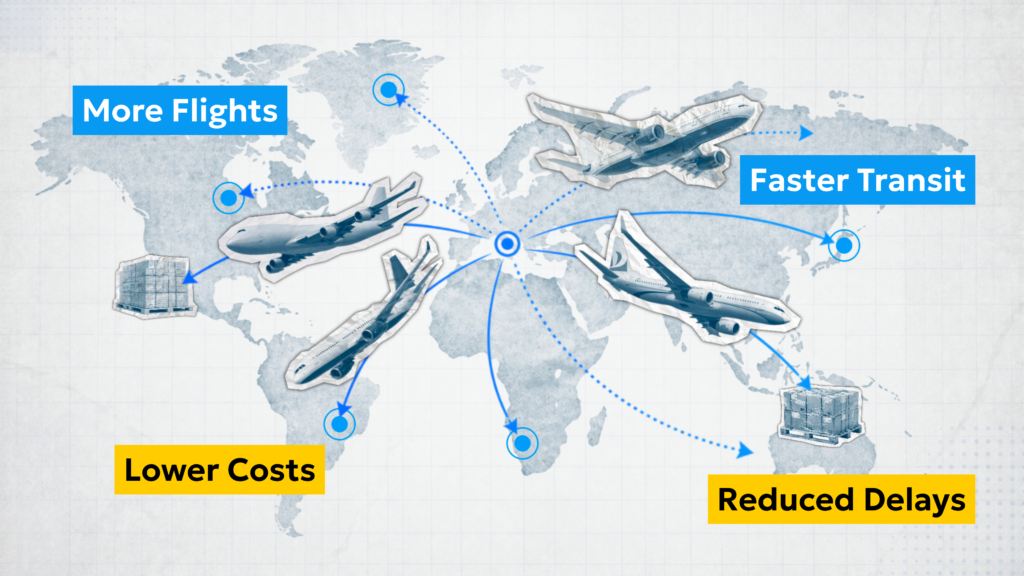
- Expanded Flight Options: You gain access to the belly of passenger planes. This significantly increases the number of daily flights available for your cargo.
- Faster Transit Times: More flight options mean less time waiting for a dedicated cargo plane. This is especially vital for time-sensitive or perishable goods.
- Lower Shipping Costs: Because passenger planes are already flying to specific destinations, the cost of cargo can often be more affordable than booking space on a specialized freighter.
- Reduced Delays: Unknown Shippers are all fighting for limited space on cargo-only planes, which leads to delays and rolled cargo. Known Shippers get to avoid those lines by using the open space on passenger flights.
How to Become a Known Shipper
You cannot apply for Known Shipper status directly through the TSA. Instead, the process is handled through an Indirect Air Carrier (IAC) or a freight forwarder like Dedola. We act as your partner and liaison to ensure your business is properly represented in the KSMS.
The process generally follows these steps:
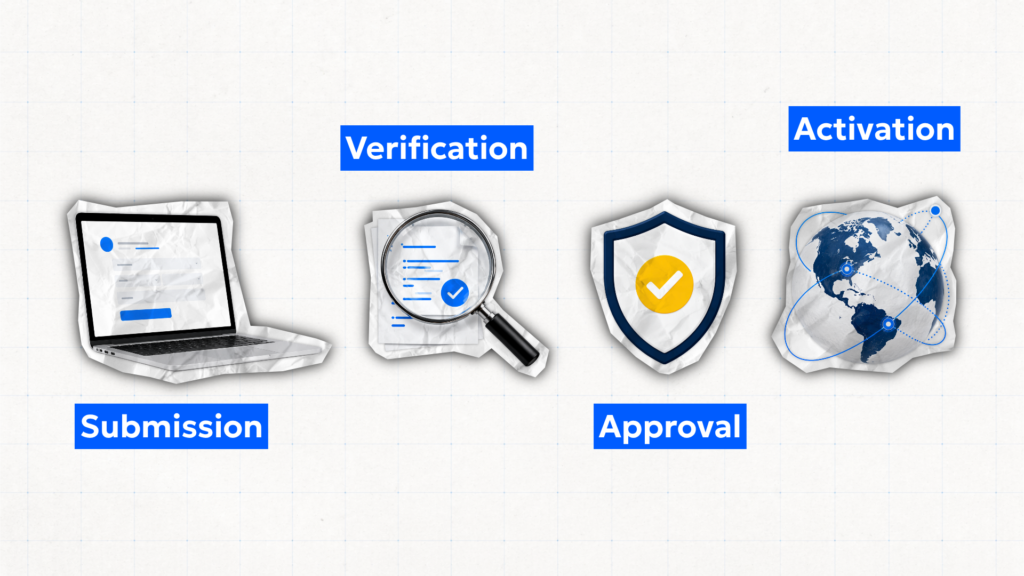
- Partner with a Forwarder: You must have an established relationship with a freight forwarder who is an authorized IAC.
- Submit Business Documentation: You will provide basic information, including your company name, physical address, and contact details. We use this to verify that you are a legitimate business with a history of shipping.
- Verification and Site Visit: In some cases, the TSA or your forwarder may perform a brief site visit to verify your business location and security practices.
- KSMS Approval: Once we submit your information to the TSA’s Known Shipper Management System, approval can take anywhere from 24 hours to a few weeks.
Once approved, you receive a Customer Identification Number (CID). While the TSA does not charge a direct fee for this, forwarders may charge a small administrative fee for the vetting and application process.
Partnering for Air Freight Success
Becoming a Known Shipper is one of the best ways to take the stress out of air freight. We handle the KSMS application and the back-and-forth with the TSA so you can focus on your business.
If you have questions about how this works for your specific commodities or routes, reach out to us. We’re happy to help you figure out the best path forward.
Known Shipper FAQs
Can an individual person (not a business) become a Known Shipper?
Yes. While the program is most common for commercial entities, individuals can apply for Known Shipper status. The process for an individual is generally more rigorous than for a business – it typically requires an annual in-person site verification at your home or shipping location and a more detailed background check to verify your identity and shipping intent.
Does my Known Shipper status ever expire?
It depends on whether you are registered as an individual or a business entity.
Individual Shippers: Your status expires one year from the approval date. To maintain it, you must undergo an annual renewal process that includes a mandatory physical site visit and verification of your shipping location by an authorized representative.
Business Shippers: There is generally no set annual expiration date for businesses. Instead, your status remains active as long as your information is up to date and you are actively shipping. However, your status is often automatically revoked if you change your physical business address or if your company undergoes a merger or name change. In these cases, a new application and site visit are required.
It is also worth noting that many forwarders and carriers perform soft re-validations periodically. If your account shows a long period of inactivity (typically 12 to 24 months without an air shipment), the TSA may transition your profile to an inactive status, which would require a full re-application to fix.
What are the common reasons a Known Shipper application might be denied?
Applications are usually rejected for one of the following reasons:
Lack of Business History: If Dun & Bradstreet cannot verify your company’s financial or operational history, the TSA may flag you as a high-risk “pop-up” business.
Failed Site Visit: If a TSA representative or forwarder performs a site visit and finds a residential address where a commercial one was claimed, or if the facility lacks basic security, the application will be denied.
Disqualifying Criminal Records: Key personnel or owners with convictions for specific crimes (e.g., treason, espionage, or crimes involving transportation security) may result in rejection.
Inaccurate Data: Simple typos in your address or company name that don’t match government records can trigger an automatic denial.
Is my Known Shipper status valid for shipments originating outside the U.S.?
No. The TSA Known Shipper status is specifically designed for cargo originating within the United States, whether it is traveling domestically or being exported internationally. For shipments coming into the U.S. from a foreign country, security is governed by different protocols, such as the Air Cargo Advance Screening (ACAS) program or the security programs of the specific foreign air carrier.
Are there specific types of cargo that cannot be shipped on passenger planes even for Known Shippers?
Yes. Even with Known Shipper status, Dangerous Goods are strictly regulated and often prohibited on passenger aircraft. These include:
Explosives: Fireworks, ammunition, and flares.
Flammable Liquids & Solids: Gasoline, certain paints, and matches.
Compressed Gases: Aerosol cans or CO2 cartridges.
Corrosives: Wet cell batteries, bleach, and acids.
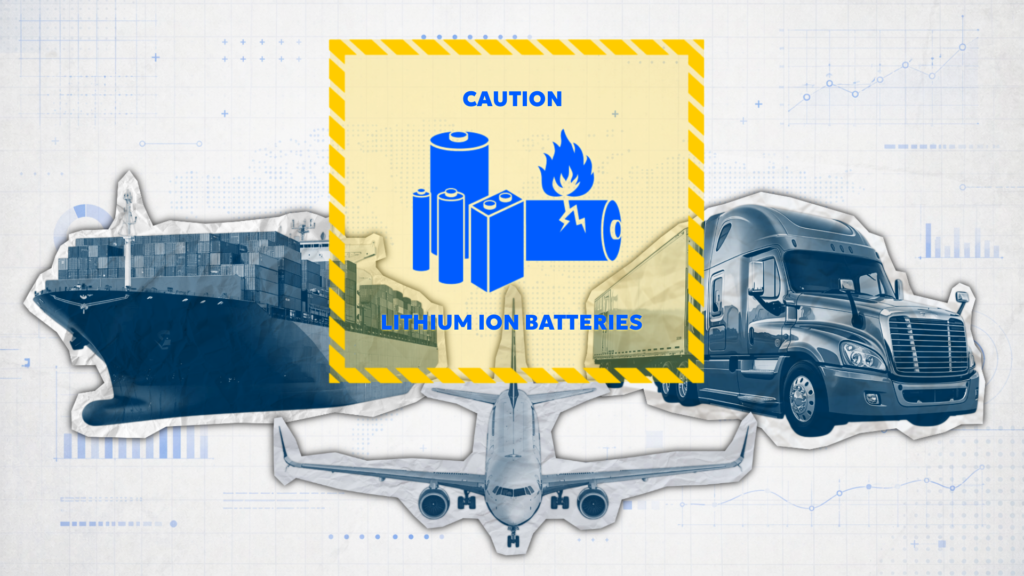
Lithium Batteries: While some are allowed, large quantities or high-wattage batteries are generally restricted to cargo-only planes.