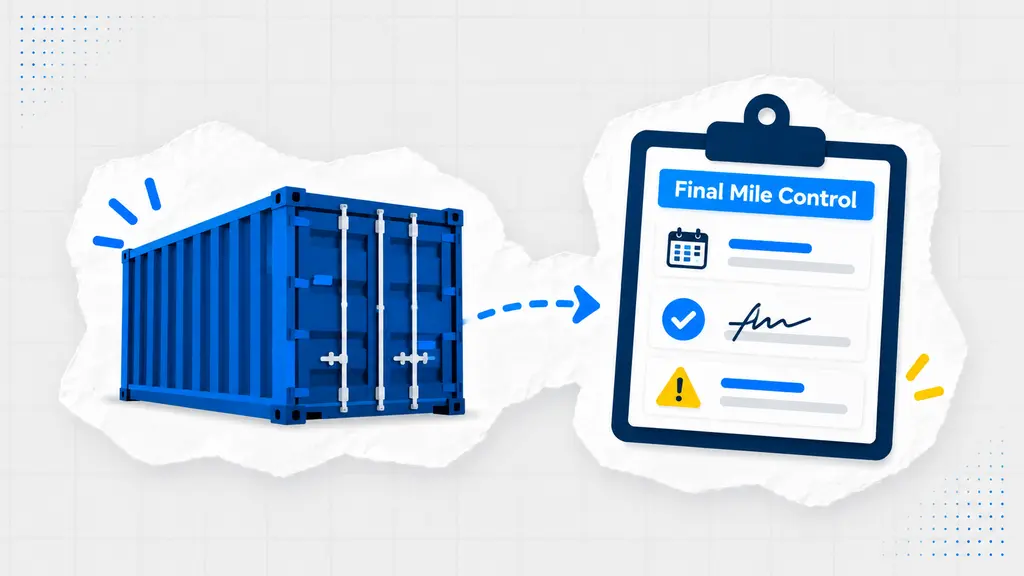
KSMS stands for Known Shipper Management System, a TSA-managed system used in the U.S. air cargo security process. It helps determine whether a shipper qualifies as a known shipper for cargo moving on passenger aircraft.
Known Shipper Management System definition
The Known Shipper Management System (KSMS) is a TSA system used to identify and approve qualified shippers for air cargo transported on passenger aircraft. A shipper that is approved through this process is considered a known shipper. In simple terms, KSMS helps support air cargo security while giving qualified shippers broader access to passenger-aircraft capacity in the United States.
What does KSMS mean in air freight?
In air freight, KSMS refers to the security vetting framework behind the TSA known shipper process. It is used in the U.S. cargo environment to help ensure that cargo tendered for passenger aircraft comes from qualified shippers that meet TSA program requirements.
This matters because passenger aircraft can offer more frequent departures and wider routing options than cargo-only aircraft, especially for time-sensitive shipments.
What is a TSA known shipper?
A TSA known shipper is a shipper that has been qualified through the known shipper process used in the U.S. air cargo security system. Known shipper status is important because it affects whether cargo can move on passenger aircraft under TSA security rules.
In practical terms, known shipper status can give businesses more flexibility when planning urgent or high-priority air shipments.
How the Known Shipper Management System works
KSMS is not simply a public sign-up tool. It works through regulated air cargo parties and transportation providers that participate in the TSA air cargo security framework. Shippers that want known shipper status generally work through their transportation service provider, which submits or manages the process under the applicable security program.
- Shipment need is identified: the shipper needs access to passenger-aircraft cargo options.
- Provider coordination begins: the transportation service provider or indirect air carrier helps initiate the process.
- Shipper information is reviewed: the shipper is evaluated under TSA program requirements.
- Status is determined: qualified shippers can be recognized for passenger-aircraft cargo eligibility.
Why KSMS matters in air freight
KSMS matters because it sits at the intersection of air cargo security and shipment flexibility. Without known shipper qualification, a shipper may have fewer options for moving cargo on passenger aircraft, which can affect routing, speed, and available capacity.
- Supports TSA air cargo security requirements
- Helps qualified shippers access passenger-aircraft cargo capacity
- Can improve routing flexibility for time-sensitive freight
- Plays an important role in domestic and export air shipment planning
For importers and exporters moving urgent cargo, Dedola’s air freight services can help connect compliance requirements with faster transportation planning.
Known shipper vs unknown shipper
The key difference is whether the shipper has been qualified under the TSA known shipper framework. A known shipper has been approved for passenger-aircraft cargo eligibility under the applicable program, while an unknown shipper does not have that status.
That distinction can affect which air cargo options are available and how a shipment is routed through the air freight process.
Who uses the Known Shipper Management System?
KSMS is part of the operational framework used by TSA-regulated cargo participants involved in qualifying shippers for passenger-aircraft cargo. From the shipper’s perspective, the system is usually encountered through a transportation provider, indirect air carrier, or freight forwarder rather than as a standalone self-service platform.
Businesses managing a wider logistics operation may also benefit from aligning air shipping requirements with broader supply chain planning so security, routing, and delivery timelines work together.
When you may need known shipper status
Known shipper status is especially relevant when a business wants more access to passenger-flight cargo options in the United States. It is often most important for shippers that move urgent freight, need better scheduling flexibility, or rely on passenger-aircraft capacity to reach destinations quickly.
Common KSMS and known shipper terms
- KSMS: short for Known Shipper Management System.
- Known Shipper: a qualified shipper approved for passenger-aircraft cargo eligibility under the TSA process.
- TSA: the Transportation Security Administration, which oversees the program framework.
- Indirect Air Carrier (IAC): a regulated party that participates in air cargo arrangements without operating the aircraft.
- Passenger Aircraft Cargo: cargo transported on passenger aircraft rather than all-cargo aircraft.
KSMS FAQ
What is KSMS in simple terms?
KSMS is the TSA’s Known Shipper Management System, which is used to help identify and approve qualified shippers for cargo moving on passenger aircraft.
What is a known shipper?
A known shipper is a shipper that has been qualified under the TSA known shipper process for passenger-aircraft cargo eligibility.
How do you become a known shipper?
Shippers generally work through their transportation service provider, freight forwarder, or indirect air carrier to request known shipper qualification under the applicable TSA process.
Why does KSMS matter for air freight?
KSMS matters because it can affect whether cargo is eligible to move on passenger aircraft, which in turn influences speed, routing flexibility, and available capacity.