 Stephen Dedola
Ocean Freight Forwarding Basics
Ocean freight forwarding can feel complicated when you are new to importing or exporting. There are carrier schedules, cargo documents, customs requirements, port cutoffs, trucking appointments, container options, and delivery timelines to manage. If one part of the process is missed, the result can be delayed cargo, higher costs, inventory shortages, or frustrated customers.
An ocean freight forwarder helps businesses plan and manage international cargo movement by sea. The forwarder coordinates many of the steps between supplier pickup and final delivery, including freight booking, documentation, carrier communication, shipment tracking, customs coordination, and inland transportation.
For many businesses, working with an experienced freight forwarder is the difference between reacting to shipment problems and building a repeatable logistics process. This guide explains what ocean freight forwarding is, what a forwarder does, why importers use one, and how ocean freight compares with air freight.
What Is Ocean Freight Forwarding?
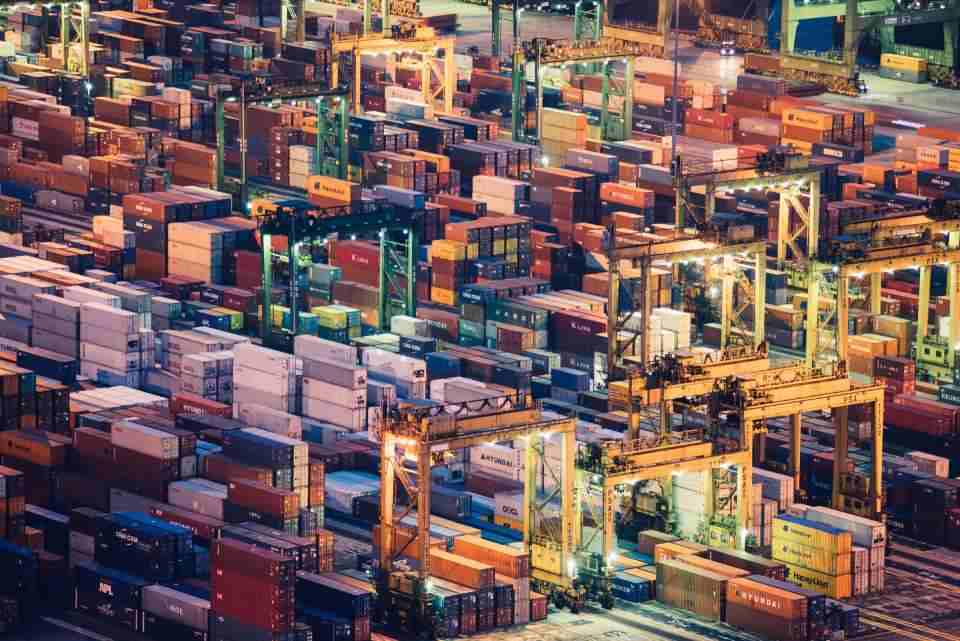
Ocean freight forwarding is the coordination of cargo transportation by sea. A freight forwarder does not usually operate the vessel. Instead, the forwarder helps arrange the movement of goods through carriers, trucking providers, warehouses, customs brokers, overseas agents, and other logistics partners.
In simple terms, an ocean freight forwarder helps get cargo from origin to destination by organizing the people, documents, bookings, and transportation steps needed to move the shipment.
Ocean freight forwarding is often used for commercial goods that are too large, heavy, or cost-sensitive to move by air. It is a common solution for consumer products, manufacturing components, apparel, auto parts, medical supplies, industrial equipment, raw materials, and other international cargo.
Dedola Global Logistics supports businesses with ocean freight planning and coordination, helping importers and exporters manage shipments with better visibility, communication, and control.
What Does an Ocean Freight Forwarder Do?
An ocean freight forwarder manages the shipment process on behalf of the importer, exporter, or shipper. The exact scope depends on the shipment, Incoterms, destination, cargo type, and service agreement.
Common freight forwarder responsibilities include:
- Mode selection: Advising whether ocean freight, air freight, or a hybrid option makes sense based on cost, timing, cargo size, and urgency.
- Route planning: Comparing ports, sailing schedules, transit times, inland delivery options, and possible bottlenecks.
- Freight booking: Reserving space with an ocean carrier or through an ocean freight network.
- Origin coordination: Helping coordinate supplier pickup, warehouse delivery, container loading, or cargo consolidation.
- Documentation support: Reviewing shipment documents such as the commercial invoice, packing list, bill of lading details, and other required paperwork.
- Customs coordination: Helping connect shipment information with customs clearance requirements through the appropriate broker or compliance process.
- Shipment tracking: Monitoring milestones such as cargo pickup, vessel departure, arrival, release, and delivery.
- Exception management: Helping solve issues such as rolled cargo, blank sailings, port delays, missing documents, or delivery changes.
- Inland transportation: Coordinating drayage, trucking, rail, transloading, or final delivery when needed.
For a more detailed look at how freight moves from one step to the next, Dedola’s guide to the stages and process of freight forwarding is a helpful next read.
Why Hire an Ocean Freight Forwarder?
Businesses hire ocean freight forwarders because international shipping involves many moving parts. A forwarder helps connect freight planning, documentation, carrier communication, customs coordination, and delivery into one managed process.
Ocean freight can be cost-effective, but it also comes with long timelines and more exposure to port delays, blank sailings, congestion, documentation issues, and inland delivery constraints. A forwarder helps reduce avoidable friction by planning ahead and communicating when conditions change.
Access to Freight Networks
Experienced freight forwarders have working relationships with carriers, overseas agents, trucking providers, warehouses, and other logistics partners. These networks can help importers compare options, secure space, and respond when schedules change.
This matters when capacity is tight, cargo is time-sensitive, or the shipment needs special handling. A strong forwarder can help identify alternatives instead of leaving the importer with only one route or one carrier option.
Documentation Support
International shipments require accurate documents. Errors in commercial invoices, packing lists, bill of lading details, product descriptions, weights, values, or consignee information can delay clearance and delivery.
A freight forwarder can help review documentation before cargo moves. This is especially useful for newer importers, companies managing multiple suppliers, or businesses shipping regulated or high-value goods.
Compliance Awareness
Import and export requirements vary by country, product type, value, origin, destination, and mode of transportation. A forwarder helps importers understand what information must be ready before cargo ships and how documentation connects to customs clearance.
Good compliance planning can reduce delays, penalties, storage costs, and shipment holds. Dedola’s Supply Chain Compliance 101 guide explains why compliance should be part of the freight planning process, not an afterthought.
Route and Timing Guidance
Route optimization means choosing the most practical path for cargo based on cost, speed, reliability, risk, and delivery requirements. The cheapest route is not always the best route if it creates avoidable delays or service issues.
A forwarder can help compare sailing schedules, transit times, ports, inland routing, and delivery constraints. This is especially important when importers are managing seasonal inventory, customer deadlines, or production schedules.
For more context, Dedola’s guide to key factors that affect freight transit time explains why total shipment timing depends on much more than time on the water.
Shipment Visibility and Customer Service
Ocean freight shipments can take weeks, so importers need clear updates. A forwarder helps provide visibility into shipment milestones and gives the importer a point of contact when something changes.
Good customer service matters most when cargo is delayed, documentation is missing, a sailing changes, or a warehouse appointment needs to be adjusted. Importers should work with a forwarder that explains what is happening, why it matters, and what options are available.
Ocean Freight vs. Air Freight: Which Is Better?
Ocean freight and air freight serve different purposes. Ocean freight is usually better for larger, heavier, less urgent shipments. Air freight is usually better for urgent, high-value, lightweight, or production-critical cargo.
The right choice depends on cargo size, weight, value, deadline, destination, budget, and customer expectations. Many businesses use both modes depending on the situation.
When Ocean Freight Makes Sense
Ocean freight is often the better choice when:
- The shipment is large, heavy, or bulky.
- Cost control is more important than speed.
- The cargo is planned inventory rather than urgent replenishment.
- The delivery timeline allows for vessel transit and port handling.
- The importer wants a scalable solution for recurring international shipments.
Ocean freight can also be a better fit for cargo that is difficult or expensive to move by air because of size, weight, or handling requirements.
When Air Freight Makes Sense
Air freight may be the better choice when:
- The cargo is urgently needed.
- A delay could cause a production stoppage or stockout.
- The shipment is lightweight or high-value.
- The customer deadline is more important than freight cost.
- A small portion of a larger order needs to move quickly.
Some importers use a split-shipment strategy. The most urgent cargo moves by air, while the rest moves by ocean. This can protect customer commitments without paying air freight rates for every unit. Dedola’s article on what shippers should consider before using air freight can help with that decision.
FCL vs. LCL in Ocean Freight Forwarding
Two of the most common ocean freight options are full container load and less than container load. Choosing the right one affects cost, transit time, handling, and shipment control.
Full Container Load
Full container load, often called FCL, means one shipper’s cargo uses the container. The container does not need to be completely full, but it is not shared with cargo from other shippers.
FCL often works well for larger shipments, recurring import programs, or cargo that benefits from reduced handling. It can also improve predictability because the container moves as a dedicated unit.
FCL may be a good fit when:
- Your cargo volume is large enough to justify a container.
- You want less handling than LCL.
- You need better control over the container.
- You are shipping recurring inventory from overseas suppliers.
- You want to reduce the chance of cargo being mixed with other shipments.
For more detail, read Dedola’s complete guide to FCL shipping.
Less Than Container Load
Less than container load, often called LCL, means your cargo shares container space with cargo from other shippers. You pay for the space your shipment uses rather than the full container.
LCL can be useful for smaller shipments, samples, early-stage import programs, or orders that are not large enough for a dedicated container.
The tradeoff is that LCL usually involves more handling. Cargo is consolidated at origin, shipped in a shared container, and deconsolidated at destination. This can add time and make accurate dimensions, weights, carton counts, and packaging more important.
Common Ocean Freight Forwarding Documents
Documentation is one of the most important parts of ocean freight forwarding. Missing or inaccurate documents can delay cargo, affect customs clearance, and create extra costs.
Common documents include:
- Commercial invoice: Describes the transaction, product details, value, currency, seller, buyer, and related shipment information.
- Packing list: Shows how the cargo is packed, including carton counts, weights, dimensions, and package details.
- Bill of lading: Confirms cargo receipt and transportation details between the shipper, forwarder, carrier, and consignee.
- Certificate of origin: May be required to confirm where goods were manufactured or produced.
- Importer or exporter instructions: Provide the forwarder with routing, documentation, and handling details.
- Customs documents: Vary depending on product, origin, destination, value, and regulatory requirements.
Importers should review documents before cargo departs. It is much easier to correct a commercial invoice or packing list before the shipment is already at the port or in transit.
What Can Go Wrong Without the Right Freight Forwarder?
Some businesses try to manage international shipping directly, especially when they are new to importing. That can work for simple shipments, but ocean freight becomes harder when cargo volume grows, suppliers multiply, or delivery timelines become more important.
Without the right freight support, importers may run into:
- Missed vessel cutoffs
- Incorrect or incomplete documents
- Unexpected freight charges
- Rolled cargo or limited space
- Customs delays
- Demurrage or detention charges
- Poor shipment visibility
- Confusion between suppliers, brokers, warehouses, and carriers
- Delayed customer deliveries
The cheapest freight option is not always the best option. Importers should be careful with quotes that are vague, unusually low, or missing important details. Dedola’s guide to red flags associated with unbelievably low freight rates explains why low rates can create bigger problems later.
How to Choose an Ocean Freight Forwarder
The right freight forwarder should help you understand your options, not just send a rate. Before choosing a provider, look at communication, experience, visibility, routing flexibility, documentation support, and how they handle problems.
Ask these questions before selecting a forwarder:
- Do they have experience with your trade lanes and cargo type?
- Can they explain the full shipment process clearly?
- Do they offer both ocean and air freight options?
- Will they help review documents before cargo moves?
- Do they provide proactive updates when schedules change?
- Can they coordinate inland delivery and warehouse timing?
- Are pricing, fees, and service levels explained clearly?
- Who will be your day-to-day contact?
If your current logistics provider is difficult to reach, reactive, or unable to explain shipment issues clearly, it may be time to reassess the relationship. Dedola’s article on five indications it might be time to switch freight forwarders can help you evaluate whether your provider is still the right fit.
Ocean Freight Forwarding Checklist for Importers
Use this checklist before booking your next ocean freight shipment:
- Confirm shipment details: Product description, quantity, carton count, pallet count, dimensions, and gross weight.
- Choose the right mode: Compare ocean freight, air freight, or a split-shipment strategy.
- Select FCL or LCL: Decide whether a full container or shared container makes more sense.
- Review Incoterms: Confirm who controls freight, cost, risk, and documentation at each stage.
- Prepare documents: Review the commercial invoice, packing list, bill of lading details, and other required paperwork.
- Check timing: Build in time for production, booking, port cutoffs, vessel transit, customs, and delivery.
- Plan inland delivery: Confirm drayage, trucking, rail, warehouse, or final-mile requirements.
- Review insurance: Decide whether marine cargo insurance is needed for the shipment value and risk profile.
- Track milestones: Monitor pickup, departure, arrival, clearance, and delivery.
- Communicate internally: Keep purchasing, finance, warehouse, sales, and customer service teams informed.
How Dedola Helps With Ocean Freight Forwarding
Dedola Global Logistics helps importers and exporters manage international freight with practical planning, clear communication, and flexible routing options. Whether your business is moving recurring ocean shipments, urgent air freight, or a mix of both, Dedola helps connect freight decisions to the larger supply chain.
Dedola can support businesses with:
- Ocean freight planning and coordination
- Air freight options for urgent cargo
- FCL and LCL shipment planning
- Supplier and purchase order coordination
- Commercial invoice and packing list review
- Customs documentation coordination
- Shipment milestone tracking
- Warehouse and delivery planning
- Support for recurring import and export programs
Dedola also supports industry-specific freight needs where timing, documentation, and product handling matter, including medical supplies and devices freight shipping, aftermarket auto parts imports, and sustainable fashion and apparel freight shipping.
Need Help With Ocean Freight Forwarding?
Ocean freight forwarding is easier when your shipment details, documents, freight mode, routing, and delivery plan are aligned before cargo moves. The right freight forwarder can help you avoid preventable delays, compare options, and keep your supply chain moving.
If your business needs help planning international ocean freight, comparing air and ocean options, or improving shipment visibility, Dedola can help.
Contact Dedola Global Logistics
Frequently Asked Questions About Ocean Freight Forwarding
What is ocean freight forwarding?
Ocean freight forwarding is the coordination of cargo movement by sea. A freight forwarder helps arrange bookings, documentation, carrier communication, customs coordination, tracking, and inland transportation.
What does an ocean freight forwarder do?
An ocean freight forwarder helps plan shipment routes, book vessel space, coordinate documents, communicate with logistics partners, monitor shipment milestones, and help manage delays or exceptions.
Is ocean freight better than air freight?
Ocean freight is usually better for large, heavy, or less urgent cargo because it is more cost-effective. Air freight is usually better for urgent, high-value, lightweight, or production-critical shipments.
What is the difference between FCL and LCL?
FCL means one shipper’s cargo uses the container, while LCL means cargo from multiple shippers shares container space. FCL often works better for larger shipments, while LCL can work for smaller shipments.
Why should importers use a freight forwarder?
Importers use freight forwarders to simplify international shipping, improve documentation accuracy, coordinate carriers and trucking, monitor shipment status, and reduce avoidable delays or costs.
Can Dedola help with ocean freight forwarding?
Yes. Dedola can help importers and exporters plan ocean freight, compare shipping options, coordinate documents, track milestones, and manage delivery from origin to destination.