 Stephen Dedola
Air Freight, Peak Season & Supply Chain Planning
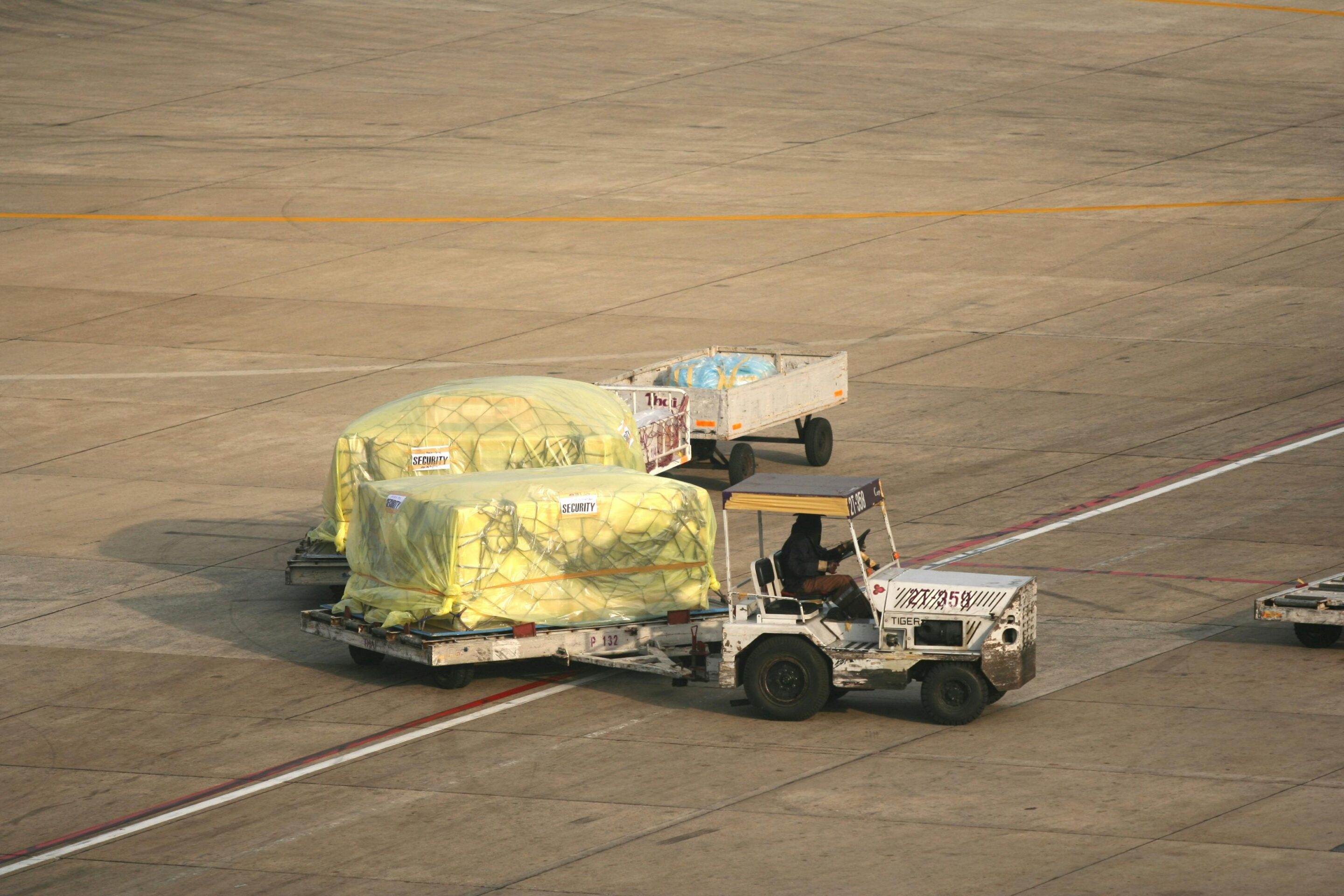
Air freight is often the right choice when speed matters. During the holidays, product launches, retail peak season, production delays, or emergency replenishment, importers may need cargo to move faster than ocean freight can support. But speed comes at a cost, and air freight can become expensive quickly when shipments are rushed, fragmented, poorly packed, or booked without a clear plan.
Air freight consolidation can help importers balance speed and cost by combining compatible shipments into a more efficient movement. Instead of sending multiple small air shipments separately, businesses may consolidate cargo from one or more suppliers, organize documentation together, improve chargeable weight efficiency, and coordinate delivery in a cleaner way.
Dedola Global Logistics helps importers evaluate when air freight consolidation makes sense, when direct air service is the better choice, and how to coordinate urgent cargo with documentation, customs, warehouse, and final delivery requirements.
What Is Air Freight Consolidation?
Air freight consolidation is the process of combining multiple shipments into one larger air cargo movement. The cargo may come from one supplier, several suppliers, multiple purchase orders, or different product lines that share a similar origin, destination, timing requirement, or delivery plan.
Rather than shipping every small order separately, consolidated air freight allows importers to group compatible cargo and move it through a more coordinated process. This can reduce unnecessary handling, improve shipment visibility, simplify documentation, and help control cost during high-demand shipping periods.
Consolidation is not the same as delaying cargo without a plan. A good consolidation strategy has clear cutoffs, shipment priorities, cargo-ready dates, documentation requirements, and delivery expectations.
Why Air Freight Consolidation Matters During the Holidays
Holiday freight planning is difficult because demand, deadlines, and capacity pressure often rise at the same time. Retailers need goods available before promotional windows. E-commerce brands need inventory in fulfillment centers. Manufacturers may need parts before seasonal shutdowns. Medical, automotive, and technology shippers may need urgent cargo while carriers and warehouses are already busy.
During these periods, fragmented air shipments can create avoidable cost and confusion. If every supplier sends cargo separately, the importer may end up managing multiple airway bills, multiple arrival notices, multiple customs entries, multiple delivery appointments, and multiple invoices.
Consolidation can make the process more manageable by grouping cargo into a more organized shipment plan.
Why Consolidate? The Key Benefits
Better Cost Control
Air freight is priced using chargeable weight, which compares actual gross weight with volumetric weight. Bulky, lightweight cargo can be expensive because it takes up aircraft space even when it does not weigh much. Dense cargo can also be expensive because it affects aircraft weight capacity.
Consolidation may help importers use available space more efficiently, reduce repeated minimum charges, combine compatible cargo, and avoid sending several small shipments that each carry separate handling or documentation costs.
Cleaner Supplier Coordination
Many importers work with several factories or vendors. During peak season, one supplier may be ready while another is running late. Consolidation can help organize supplier handoffs by setting clear cargo-ready dates and grouping shipments that can move together.
This is especially useful for businesses managing multiple purchase orders, samples, replacement parts, seasonal products, or mixed SKU shipments.
Improved Shipment Visibility
When cargo is split across several separate air shipments, tracking can become difficult. Consolidation gives importers a cleaner view of what is moving, what is still pending, and what needs to be delivered after arrival.
Better visibility helps teams coordinate customs brokers, warehouses, fulfillment centers, and customer delivery expectations.
Fewer Documentation Problems
Air freight moves quickly, which means documentation errors can become urgent problems. Consolidating cargo gives importers an opportunity to review commercial invoices, packing lists, product descriptions, tariff details, and shipment instructions before cargo is tendered.
Clean documentation is especially important when shipments involve regulated goods, high-value items, medical supplies, batteries, samples, or multiple suppliers.
More Predictable Delivery Planning
A consolidated air shipment can be easier to coordinate at destination. Instead of managing several separate airport recoveries and deliveries, the importer may be able to organize a single customs process, delivery appointment, warehouse handoff, or distribution plan.
When Air Freight Consolidation Makes Sense
Air freight consolidation is most useful when shipments are urgent enough for air but flexible enough to be grouped. It works best when cargo shares a similar origin, destination, timeline, and handling profile.
Importers should consider consolidation when:
- Multiple suppliers are shipping to the same destination market
- Several small air shipments are planned within the same week
- Holiday or launch deadlines require faster movement than ocean freight
- Purchase orders can be grouped without missing critical deadlines
- Cargo is compatible in terms of handling, packaging, and compliance
- Destination delivery can be coordinated through one warehouse or receiver
- The importer wants better control over air freight spend
- The cargo is too urgent for standard ocean freight but not urgent enough for the most expensive express option
In these cases, consolidation can provide a practical middle ground between speed and cost control.
When Air Freight Consolidation May Not Be the Best Option
Consolidation is useful, but it is not always the right choice. Some cargo should move separately because timing, handling, compliance, or value requirements are too specific.
Direct or separate air freight may be better when:
- The shipment is extremely urgent and cannot wait for other cargo
- The cargo is high-value and needs special handling or security
- The shipment contains regulated, hazardous, or temperature-sensitive goods
- One supplier’s delay would put the entire consolidated shipment at risk
- The destination, customs process, or consignee differs significantly
- The cargo requires separate documentation or permits
- The receiver needs part of the shipment immediately
A strong logistics plan should compare consolidated air, direct air, deferred air, split shipments, and ocean options before deciding.
Air Freight Consolidation vs. Ocean Freight
Ocean freight is usually the better option for planned inventory, larger shipments, and cost-sensitive goods. But when deadlines are tight, ocean freight may not be fast enough.
Air freight consolidation can help when goods need to move faster than ocean freight but do not require the fastest possible air service. For example, a retailer may ship the most urgent seasonal inventory by consolidated air while the balance moves by ocean. This creates a split-shipment strategy that protects deadlines without moving every unit by air.
Dedola can help importers compare ocean, air, and split-shipment options so cost and timing are evaluated together.
How Chargeable Weight Affects Air Freight Consolidation
Air freight pricing is based on chargeable weight. Carriers compare actual weight against volumetric weight and typically bill using the higher number. This matters because air cargo space is limited by both aircraft weight and aircraft volume.
Consolidation can help importers review how cartons, pallets, dimensions, and packaging affect chargeable weight. Poor packaging can increase volumetric weight and make the shipment more expensive than expected.
Before booking air freight, importers should confirm:
- Actual gross weight
- Carton dimensions
- Pallet dimensions
- Total cubic volume
- Stackability
- Special handling requirements
- Whether cargo can be repacked or palletized more efficiently
Better packaging data leads to better air freight planning.
Holiday Air Freight Planning Checklist
During the holiday season or any high-demand shipping period, importers should start air freight planning before cargo is ready. Waiting until the last minute can limit carrier options and increase cost.
Use this checklist before booking:
- Confirm cargo-ready dates: Know which suppliers are ready and which are still pending.
- Prioritize urgent cargo: Separate must-arrive products from less urgent inventory.
- Review carton dimensions: Chargeable weight depends on both size and weight.
- Prepare documents early: Commercial invoices and packing lists should match the cargo.
- Check product restrictions: Batteries, chemicals, medical goods, and certain products may require extra documentation.
- Set consolidation cutoffs: Decide when cargo must arrive at the origin warehouse or handoff point.
- Confirm delivery needs: Know whether the shipment goes to a warehouse, fulfillment center, store, distributor, or customer.
- Compare service levels: Review direct air, deferred air, consolidated air, and split-shipment options.
- Build buffer time: Peak season shipments need more planning room than normal shipments.
Industries That Benefit From Air Freight Consolidation
Fashion and Apparel
Fashion and apparel companies often face seasonal deadlines, launch dates, size runs, samples, replenishment orders, and retail delivery windows. Consolidated air freight can help move urgent goods without sending every carton separately. Dedola supports fashion and apparel freight shipping with air, ocean, supplier coordination, and delivery planning.
Medical Supplies and Devices
Medical supplies, devices, diagnostic products, and healthcare components may require reliable timing and careful documentation. Consolidation can help organize compatible shipments, but regulated or urgent medical cargo may sometimes need separate handling. Dedola supports medical supplies and devices freight shipping with routing, documentation, and shipment visibility.
Automotive and Aftermarket Parts
Automotive parts shipments can affect repairs, production, service networks, and customer commitments. Consolidated air freight may be useful when several urgent parts orders can move together. Dedola supports aftermarket auto parts imports with freight planning, customs coordination, and delivery visibility.
Retail and E-commerce
Retailers and e-commerce sellers often need to protect holiday inventory, product launches, marketplace availability, and fulfillment center delivery dates. Air consolidation can help move urgent inventory while maintaining better cost control.
Technology and High-Value Goods
Technology products, components, prototypes, samples, and high-value goods often need fast, visible movement. Consolidation can help when cargo is compatible and deadlines allow grouping.
Common Mistakes to Avoid With Consolidated Air Freight
Air freight consolidation works best when it is planned carefully. Importers should avoid:
- Waiting until all suppliers are late before building a plan
- Combining urgent cargo with non-urgent cargo without priority rules
- Using inaccurate carton dimensions or weights
- Ignoring chargeable weight
- Forgetting documentation requirements for each supplier
- Combining incompatible cargo types
- Failing to confirm airport handling and destination delivery needs
- Assuming consolidation is always cheaper than direct air freight
- Missing customs requirements before departure
- Failing to create a backup plan for critical shipments
How Dedola Supports Air Freight Consolidation
Dedola Global Logistics helps importers coordinate air freight consolidation as part of the full supply chain. The goal is not simply to book a flight. The goal is to decide which cargo should move by air, which cargo can wait, how shipments should be grouped, and how documents, customs, and delivery should be handled.
Dedola can support importers with:
- Air freight consolidation planning
- Direct air, deferred air, and split-shipment comparisons
- Supplier communication and cargo-ready tracking
- Origin warehouse and consolidation coordination
- Chargeable weight review based on dimensions and gross weight
- Commercial invoice and packing list coordination
- Customs broker communication
- Airport recovery and destination delivery planning
- Shipment visibility and milestone tracking
- Supply chain planning for recurring import programs
Dedola does not operate aircraft. Instead, Dedola helps customers coordinate the carrier, warehouse, customs, airport, and delivery partners needed to move urgent cargo with fewer surprises.
Air Freight Done Right
Consolidated air freight is not just a holiday tactic. It can support year-round logistics when companies need speed, visibility, and cost control. Importers may use it for samples, replenishment inventory, urgent parts, product launches, seasonal goods, production recovery, or supply chain disruption response.
The best results come when consolidation is planned early, cargo priorities are clear, documentation is accurate, and the delivery plan is built before freight arrives. When those pieces are aligned, importers can move urgent goods faster without losing control of cost and visibility.
Ready to Streamline Your Air Freight?
If your business needs to move urgent shipments during the holidays, peak season, or any time-sensitive supply chain event, Dedola can help compare consolidated air, direct air, ocean, and split-shipment options.
Contact Dedola Global Logistics
Frequently Asked Questions About Air Freight Consolidation
What is air freight consolidation?
Air freight consolidation is the process of combining compatible shipments into one larger air cargo movement to improve cost efficiency, visibility, documentation control, and delivery planning.
Is consolidated air freight slower than direct air freight?
It can be slower than direct air freight because cargo may need to be grouped before departure. However, it can still be much faster than ocean freight and may offer a better balance of speed and cost.
When should importers use air freight consolidation?
Importers should consider air freight consolidation when multiple shipments share similar origins, destinations, cargo-ready dates, and delivery requirements, and when the cargo is urgent enough for air but flexible enough to be grouped.
How does chargeable weight affect air freight cost?
Air freight is usually priced based on chargeable weight, which compares actual gross weight and volumetric weight. The higher number is typically used for billing, so carton dimensions and packaging efficiency matter.
Can consolidated air freight help during the holidays?
Yes. Consolidated air freight can help importers manage holiday deadlines by grouping compatible urgent shipments, reducing repeated small-shipment costs, improving visibility, and simplifying delivery planning.
Can Dedola help consolidate air freight shipments?
Yes. Dedola can help coordinate air freight consolidation, supplier communication, chargeable weight review, documentation, customs broker communication, airport recovery, shipment tracking, and final delivery.