 Stephen Dedola
Peak Season Freight Planning
Import peak season can put pressure on even the most organized supply chains. Ocean freight space tightens, rates can move quickly, carrier schedules may change, and inland delivery options can become harder to secure. For importers, the difference between a smooth season and a costly one often comes down to planning early, knowing your options, and working with the right logistics partner before cargo becomes urgent.
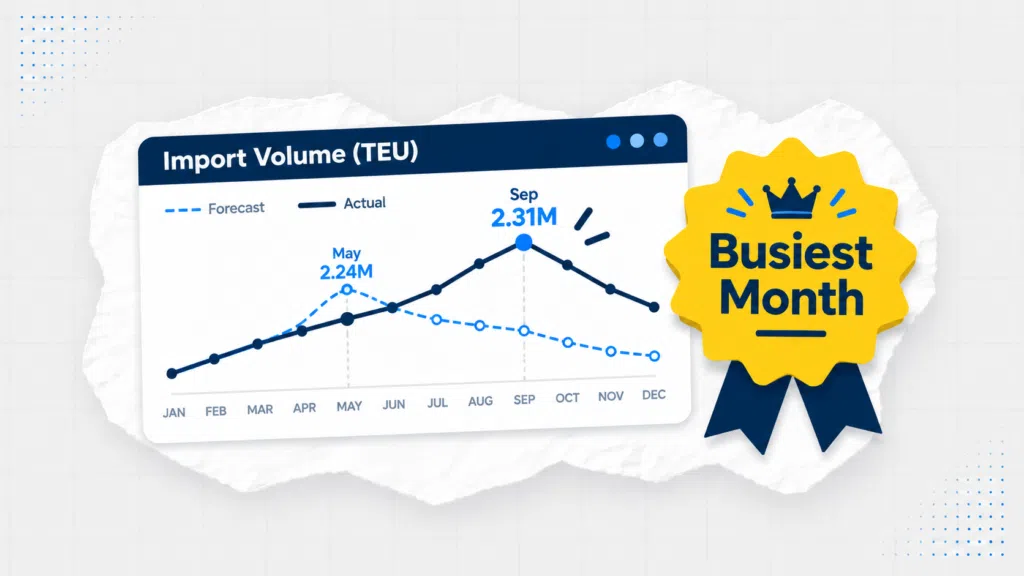
Traditionally, U.S. import peak season begins in the summer and runs into the fall as retailers, manufacturers, and distributors bring in inventory for back-to-school, holiday, and year-end demand. But modern peak season planning is less predictable than it used to be. Tariff changes, blank sailings, shifting consumer demand, port conditions, equipment availability, and global disruptions can all affect capacity and cost.
The best approach is not to wait for the market to become tight. Importers should review their purchase orders, production schedules, freight modes, warehouse capacity, customs documentation, and delivery timelines before peak season pressure builds.
What Is Peak Season in Ocean Freight?
Peak season in ocean freight is the period when demand for vessel space, containers, trucking, rail, warehouses, and delivery appointments increases. For U.S. importers, this often happens from July through October as companies move inventory ahead of major retail and holiday demand.
During peak season, importers may face:
- Limited vessel space
- Higher ocean freight rates
- Peak season surcharges
- Blank sailings or schedule changes
- Longer transit and delivery timelines
- Port or rail congestion
- Limited trucking availability
- Warehouse capacity constraints
- Higher demurrage, detention, or storage exposure
Peak season does not affect every importer in the same way. Your risk depends on your trade lane, shipment volume, cargo type, freight mode, supplier location, delivery deadlines, and how much flexibility you have in your schedule.
Why Importers Need a Different Peak Season Strategy
Peak season planning used to be more predictable. Importers could often look at the calendar, compare last year’s shipment patterns, and prepare for a familiar demand cycle. Today, that approach is not enough.
Global freight markets can shift quickly. Carriers may reduce capacity through blank sailings, importers may pull shipments forward because of tariff deadlines, or demand may soften in one month and surge the next. A market that looks manageable in spring can become tight by summer if several disruptions happen at once.
This is why importers should plan around scenarios, not assumptions. Instead of asking only, “What did we do last year?” ask:
- Which products are most time-sensitive?
- Which purchase orders can ship early?
- Which suppliers need more production or documentation lead time?
- Which shipments could move by ocean, air, consolidation, or a split-shipment strategy?
- Which ports, warehouses, or delivery lanes have caused delays before?
- Which customs documents need to be reviewed before cargo is loaded?
If your import program depends on the lowest available quote at the last minute, it may be worth reviewing Dedola’s article on critical factors to consider when evaluating automatic spot quote forwarders.
Common Peak Season Challenges for Importers
Importers often feel peak season pressure in several parts of the supply chain at the same time. The freight rate is only one piece of the issue. A shipment can still become expensive if the cargo misses a sailing, sits at a terminal, arrives before the warehouse is ready, or lacks complete customs documentation.
The most common peak season challenges include:
- Capacity pressure: Vessel space, container availability, and trucking options may become limited on high-demand lanes.
- Rate volatility: Ocean freight rates and surcharges can change quickly when demand, fuel costs, or carrier capacity decisions shift.
- Blank sailings: Carriers may cancel scheduled sailings or adjust service strings, reducing available space and changing transit expectations.
- Longer lead times: Production, booking, port handling, customs release, and final delivery can all take longer during busier periods.
- Warehouse congestion: Importers may secure vessel space but struggle with receiving appointments, transloading, or storage availability.
- Demurrage and detention risk: Delays in pickup, unloading, or return of equipment can create avoidable charges.
- Documentation problems: Incomplete invoices, packing lists, shipment data, or product descriptions can slow down clearance.
Importers that rely on warehousing before final distribution should also review available storage and fulfillment options early. Dedola explains related capabilities in its article on DGL Asia warehousing offerings.
How Blank Sailings Affect Peak Season Shipping
A blank sailing happens when a carrier cancels a scheduled vessel departure or skips a port call. During peak season, blank sailings can make it harder for importers to secure space, especially when cargo is already produced and ready to move.
Blank sailings can affect importers by:
- Reducing available capacity on a trade lane
- Rolling cargo to a later vessel
- Extending transit time
- Creating schedule uncertainty
- Increasing competition for remaining space
- Making delivery commitments harder to meet
Importers can reduce blank sailing risk by booking earlier, keeping cargo-ready dates realistic, building buffer time into purchase order planning, and staying in close contact with their freight forwarder when carrier schedules change. For a wider view of timing risk, see Dedola’s guide to key factors that affect freight transit time.
How to Prepare for Import Peak Season
Peak season preparation starts before cargo is ready. The earlier your team reviews purchase orders, supplier timelines, freight options, and customs requirements, the more control you have over cost and timing.
1. Forecast Your Import Volume Early
Review purchase orders, historical shipment data, inventory needs, and sales forecasts. Identify which shipments must arrive by a specific date and which ones have more flexibility. This helps your logistics team separate urgent cargo from cargo that can move on a more cost-effective schedule.
2. Book Ocean Freight Before Space Tightens
Waiting until cargo is ready can limit your options. Booking early gives your freight forwarder more room to compare carrier options, secure space, plan routing, and adjust if schedules change. This is especially important for high-volume importers or companies shipping from busy origin ports.
3. Decide Which Shipments Are Critical
Not every shipment needs the fastest or most expensive option. Identify the products that have the greatest impact on revenue, customer commitments, production schedules, or retail deadlines. Those shipments may justify priority routing, faster vessels, air freight, or split shipments.
4. Review Ocean, Air, and Consolidation Options
Importers should compare freight modes before peak season pressure builds. Ocean freight may be the best fit for larger planned shipments, while air freight may be useful for urgent, high-value, or lightweight cargo when delivery speed matters more than cost. Consolidation can also help importers manage smaller shipments more efficiently when timing and routing allow.
5. Check Customs Documents Before Cargo Ships
Do not wait until the vessel arrives to review commercial documents. Importers should confirm product descriptions, values, country of origin, HTS classifications, packing details, and required shipment information before cargo is loaded. Clean documents can help prevent clearance delays and reduce avoidable costs.
6. Build Time for Inland Delivery
Peak season does not end when a vessel arrives. Importers still need port pickup, rail movement, drayage, transloading, warehouse receiving, and final delivery. Limited trucking or warehouse appointments can create delays even when the ocean portion of the shipment goes smoothly.
Comparing Peak Season Shipping Options
The right freight mode depends on cargo size, value, timing, budget, and customer expectations. Importers often benefit from using more than one option during peak season.
Ocean Freight
Ocean freight is usually the most cost-effective option for larger international shipments. It works best when importers have enough lead time to plan around vessel schedules, port handling, customs clearance, and inland delivery.
During peak season, ocean freight may require earlier booking, flexible routing, realistic cargo-ready dates, and backup plans in case of blank sailings or rolled cargo. If your shipment is close to full-container volume, Dedola’s complete guide to FCL shipping can help clarify how full-container planning works.
Air Freight
Air freight is faster than ocean freight, but it is usually more expensive. It can make sense for urgent replenishment, high-value goods, production-critical parts, samples, or shipments needed to prevent a stockout.
Many importers use air freight selectively during peak season. Instead of moving an entire order by air, they may move the most urgent portion by air and send the balance by ocean. For additional planning context, read Dedola’s guide on why consolidating air freight shipments can be a smart choice during the holidays and beyond.
Consolidated Shipments
Consolidation can be helpful when importers do not have enough cargo to fill a container or want to coordinate smaller orders from multiple suppliers. It may also help companies move smaller replenishment shipments without waiting to build a full container load.
Because consolidated freight involves additional coordination, importers should plan for handling time and make sure cargo dimensions, carton counts, weights, and documents are accurate.
Split Shipments
A split shipment strategy can help importers balance speed and cost. Critical products can move by air or faster ocean service, while less urgent inventory moves through standard ocean freight. This approach can protect customer commitments without moving every unit through the most expensive mode.
Peak Season Importer Checklist
Use this checklist before peak season begins:
- Review purchase orders: Identify which shipments are time-sensitive and which can move earlier.
- Confirm supplier readiness: Check production timelines, cargo-ready dates, and export document availability.
- Book early: Give your freight forwarder enough time to secure space and compare routing options.
- Compare modes: Review ocean, air, consolidation, and split shipment options.
- Review documents: Confirm commercial invoices, packing lists, HTS codes, country of origin, and customs details.
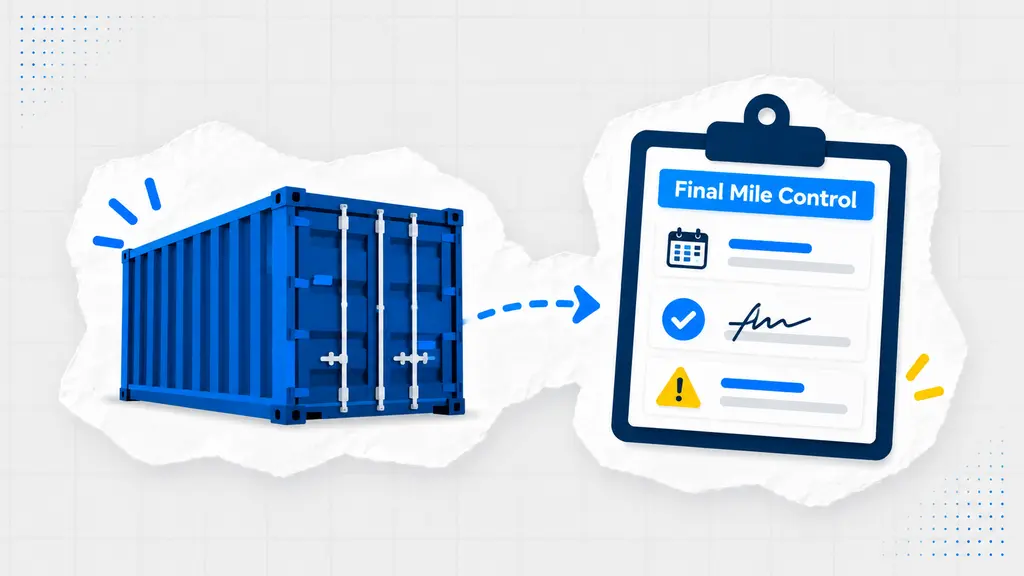
- Plan inland delivery: Check drayage, rail, warehouse, and final-mile capacity before cargo arrives.
- Prioritize critical SKUs: Decide which products justify premium service if space becomes tight.
- Monitor market conditions: Watch for rate changes, blank sailings, port congestion, and carrier schedule adjustments.
- Build buffer time: Add extra time for production, loading, transit, customs, and delivery.
- Communicate internally: Keep finance, sales, operations, and warehouse teams aligned on freight timing and cost.
Common Peak Season Mistakes to Avoid
Peak season problems are often preventable. Importers should avoid these common mistakes:
- Waiting too long to book: Late bookings can lead to higher rates, fewer carrier options, and rolled cargo.
- Assuming last year’s plan will still work: Market conditions, tariffs, capacity, and routing options can change quickly.
- Treating all cargo as urgent: Not every shipment needs premium service. Prioritize the products that matter most.
- Forgetting inland constraints: Port arrival is only one milestone. Trucking, rail, and warehouse capacity matter too.
- Using incomplete documents: Document errors can slow clearance and create avoidable storage or delivery costs.
- Ignoring warehouse readiness: Cargo can arrive on time and still sit if receiving appointments are unavailable.
- Relying only on spot pricing: Spot rates may look attractive, but they can create risk when space tightens.
If you are questioning whether your current provider can support your peak season needs, Dedola’s article on five indications it might be time to switch freight forwarders can help you evaluate the relationship.
How Dedola Helps Importers During Peak Season
Dedola Global Logistics helps importers prepare for peak season with freight planning, supplier coordination, customs support, shipment visibility, and flexible transportation options. Instead of reacting after space tightens, Dedola helps importers build a plan before cargo is ready to move.
Dedola can support peak season importers with:
- Ocean freight planning and coordination
- Air freight options for urgent cargo
- Supplier and purchase order communication
- Customs documentation review
- Shipment milestone tracking through TrakItPro
- Drayage, delivery, and warehouse coordination
- Peak season routing and timing recommendations
- Support from experienced operations teams in the U.S. and Asia
Dedola also supports importers in specialized sectors where timing, compliance, and product handling matter. This includes medical supplies and devices freight shipping, aftermarket auto parts imports, and sustainable fashion and apparel freight shipping.
Peak season will always bring some uncertainty, but importers do not have to manage it alone. With earlier planning and the right logistics partner, you can reduce preventable delays, protect critical inventory, and make more informed freight decisions.
Plan Before Peak Season Pressure Builds
The best time to review your peak season freight strategy is before capacity becomes tight. If you are expecting higher import volume, urgent delivery deadlines, supplier changes, or new tariff exposure, now is the time to compare options and build a plan.
Dedola can help you review your trade lanes, shipment timing, freight modes, documentation process, and delivery needs before your cargo is already at risk of delay.
Contact Dedola Global Logistics
Frequently Asked Questions About Peak Season Shipping
What is peak season in ocean freight?
Peak season in ocean freight is the period when demand for vessel space, containers, trucking, warehousing, and delivery appointments increases. For U.S. imports, it often runs from summer into fall as companies prepare inventory for back-to-school, holiday, and year-end demand.
Why do freight rates rise during peak season?
Freight rates may rise during peak season when demand for space exceeds available capacity. Rates can also be affected by fuel costs, carrier surcharges, blank sailings, equipment shortages, port congestion, and changes in trade policy.
How early should importers book peak season shipments?
Importers should book as early as possible once cargo-ready dates are reliable. Early booking gives the freight forwarder more time to secure space, compare routing options, and adjust if carrier schedules or market conditions change.
Should I use air freight during peak season?
Air freight can be useful during peak season for urgent, high-value, lightweight, or production-critical cargo. Many importers use air freight selectively for the most important products while moving less urgent inventory by ocean.
How can importers reduce peak season delays?
Importers can reduce peak season delays by forecasting volume early, booking ahead, reviewing customs documents before loading, building buffer time, planning inland delivery, and prioritizing critical shipments.
Can Dedola help with peak season freight planning?
Yes. Dedola can help importers compare ocean, air, and consolidation options, coordinate supplier communication, review import documentation, track shipment milestones, and plan delivery during peak season.