 Stephen Dedola
Rail Freight, Intermodal & Import Supply Chain Planning
Rail freight plays a critical role in the U.S. supply chain, especially for importers moving containers from coastal ports to inland markets. When rail works well, it can help reduce long-haul trucking dependence, support inland distribution, improve freight efficiency, and connect ocean imports with warehouses, distribution centers, retailers, manufacturers, and final delivery networks.
But rail is not automatic. Importers can still face challenges such as rail ramp congestion, terminal dwell, limited appointment availability, chassis issues, delayed container availability, missed warehouse appointments, intermodal schedule changes, and poor visibility between the ocean, rail, drayage, and delivery portions of a shipment.
The most successful rail freight plans treat rail as one part of a complete import process. A container must be discharged at the port, released by customs, loaded to rail, moved inland, recovered at the ramp, drayed to the warehouse, unloaded, and returned within the required equipment deadlines.
Dedola Global Logistics helps importers coordinate rail and intermodal moves as part of broader ocean freight, air freight, customs coordination, drayage, transloading, warehouse delivery, shipment visibility, and supply chain management.
Contact Dedola Global Logistics
Why Rail Freight Matters for Importers
Rail freight is especially important for importers bringing goods through coastal ports and delivering them to inland markets. A container arriving at Los Angeles, Long Beach, Seattle, Tacoma, Oakland, Savannah, Norfolk, New York/New Jersey, Houston, or another gateway may still need to travel hundreds or thousands of miles before reaching its final warehouse.
In many cases, rail can be a practical option for long-distance inland movement. It can support distribution to the Midwest, South, Southeast, Northeast, Mountain West, and other regions where direct trucking from the port may be more expensive, capacity-constrained, or inefficient.
Rail may be useful when:
- The inland destination is far from the port of arrival
- The cargo is not urgent enough to justify full truckload from the port
- The importer wants to reduce long-haul truck dependency
- The shipment fits an intermodal network with strong rail service
- Warehouses are located near inland rail ramps
- The importer is moving recurring container volume
- Cost, capacity, and sustainability are all part of the freight decision
Rail Freight Is Facing Ongoing Supply Chain Challenges
Rail challenges are not always caused by a single railroad problem. They usually happen when several parts of the freight process fall out of sync. Ocean arrivals, customs release, rail loading, terminal dwell, ramp availability, chassis supply, drayage, warehouse receiving, and empty return all need to work together.
Importers may experience rail-related challenges such as:
- Delayed movement from port terminal to inland rail
- Long terminal dwell times
- Rail ramp congestion
- Limited chassis availability at inland ramps
- Delayed container availability after rail arrival
- Missed pickup or delivery appointments
- Difficulty coordinating drayage from the rail ramp
- Unexpected storage or accessorial charges
- Limited visibility between rail milestones and final delivery
- Late delivery to warehouses, retailers, or production facilities
These problems can make rail feel unpredictable. However, many rail issues can be reduced with better shipment planning and earlier coordination.
Intermodal Rail: What Importers Need to Know
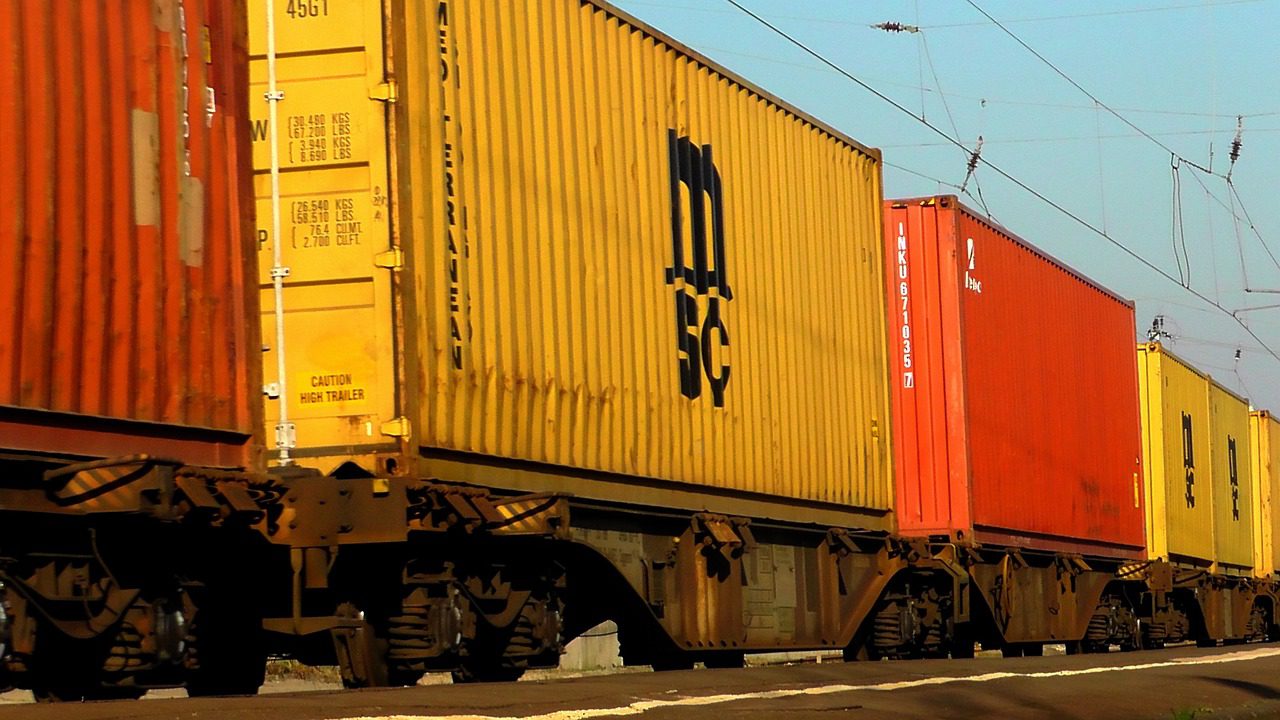
Intermodal freight uses more than one transportation mode, commonly ocean, rail, and truck. For importers, intermodal often means a container arrives at a U.S. port, moves by rail to an inland ramp, and then moves by truck to a warehouse or final destination.
Intermodal can be a smart option, but it requires coordination. The rail portion may be efficient, but the shipment can still be delayed if customs documents are late, the container misses a rail cutoff, the destination ramp is congested, the drayage provider is not scheduled, or the warehouse cannot receive the container.
Importers should think about intermodal in three stages:
- Port stage: Vessel arrival, container discharge, customs release, terminal status, and rail loading.
- Rail stage: Inland rail movement, interchange if applicable, rail ramp arrival, and container availability.
- Delivery stage: Drayage pickup, warehouse appointment, unloading, and equipment return.
Common Causes of U.S. Rail Supply Chain Delays
Port Congestion
When port terminals are congested, containers may take longer to move from vessel discharge to rail loading. Congestion can be caused by high import volume, labour constraints, weather, equipment issues, vessel bunching, or downstream rail and truck delays.
Rail Ramp Congestion
Inland rail ramps can become congested when containers arrive faster than they are picked up. If importers, truckers, and warehouses are not ready to recover containers promptly, ramp dwell can increase and storage charges may follow.
Terminal Dwell
Terminal dwell is the amount of time railcars or containers remain at a terminal before moving onward. Longer dwell times can signal congestion or poor fluidity in the network.
Chassis Constraints
Containers often need chassis for truck movement after rail arrival. If chassis are limited, damaged, unavailable, or tied up under other containers, final delivery can be delayed even when the rail move itself is complete.
Drayage Availability
Rail still depends on trucking at origin or destination. If a trucker is not scheduled early, the importer may miss available pickup windows, delivery appointments, or free-time deadlines.
Warehouse Appointment Delays
A container may arrive at the rail ramp on time but still be delayed if the warehouse cannot receive it. Appointment availability, dock space, labour, pallet requirements, and unloading speed can all affect delivery.
Interchange and Routing Complexity
Some rail shipments involve handoffs between carriers or service networks. Each interchange can add coordination requirements and potential schedule variability.
How Rail Delays Affect Importers
Rail delays can create operational and financial pressure. The cost is not always limited to transportation. A delay may affect inventory, warehouse planning, customer delivery, retail compliance, production schedules, and cash flow.
Importers may face:
- Higher storage charges
- Demurrage or detention exposure
- Missed warehouse appointments
- Retail chargebacks
- Stockouts or delayed product launches
- Production interruptions
- Increased need for expedited trucking or air freight
- More customer service pressure
- Reduced confidence in delivery timelines
A rail delay is rarely just a transportation issue. It becomes a supply chain issue when it affects downstream commitments.
Transloading as a Rail Freight Solution
Transloading is the process of transferring cargo from one mode or equipment type to another. For importers, this often means unloading cargo from an ocean container and reloading it into a domestic truck trailer or domestic intermodal container. Our guide to how transloading works explains when moving cargo from one transportation mode or equipment type to another is useful, such as when ocean freight arrives at a port but the final destination is inland.
Transloading can help when:
- The importer wants to return the ocean container faster
- Final delivery needs domestic truckload or LTL service
- Cargo needs to be split across multiple destinations
- Warehouse receiving works better with domestic trailers
- Ocean container detention risk is high
- The importer wants to reduce equipment constraints at destination
- Cargo needs sorting, palletization, labeling, or redistribution
Transloading is not always the cheapest option, but it can reduce downstream friction when rail, drayage, or warehouse conditions make direct container delivery difficult.
Rail vs. Truck: Which Option Should Importers Choose?
Rail and truck each have strengths. Rail can be efficient for long-distance inland movement, while trucking can offer more direct routing, faster recovery, and greater flexibility for time-sensitive cargo.
Importers should compare:
- Distance: Rail is often more attractive for longer inland moves.
- Urgency: Trucking may be better when delivery timing is tight.
- Cost: Rail may reduce long-haul transportation cost, but ramp, drayage, and accessorial charges must be included.
- Reliability: Service consistency depends on the lane, rail carrier, ramp, and final delivery plan.
- Warehouse location: Rail works better when the destination is close to an inland ramp or distribution hub.
- Cargo type: Some cargo profiles are better suited for direct truck, while others fit intermodal well.
The best answer is not always rail or truck. In some cases, a blended strategy gives importers the right balance of cost, speed, and reliability.
When Air Freight Becomes a Backup Option
Air freight is not a replacement for every rail shipment, but it can be useful when a rail delay threatens a critical deadline. Importers may choose air freight for urgent parts, product launches, medical supplies, samples, or high-value goods that cannot wait for the rail network to recover.
A common strategy is to split the shipment. The most urgent cartons move by air, while the larger shipment continues by ocean and rail. This can help protect customer commitments without moving the entire shipment at air freight rates.
The Economy Impacts Inventory and Rail Decisions
Rail demand is tied closely to the broader economy. Consumer spending, manufacturing output, retail inventory levels, interest rates, import volumes, energy demand, agricultural exports, and construction activity can all influence rail traffic.
When demand is soft, importers may see more available capacity and stronger rate flexibility in some lanes. When demand spikes, rail capacity, terminal fluidity, and ramp availability can tighten quickly.
Importers should not make rail decisions based only on last month’s conditions. A good freight plan accounts for seasonality, market volatility, supplier timing, customer demand, and contingency options.
Rail Freight and Ocean Imports
Rail is closely tied to ocean freight. Many containers arriving at U.S. ports move inland by rail to reach distribution centers, retail networks, or manufacturing hubs.
For ocean-to-rail shipments, importers should confirm:
- Whether the container will move inland by rail or remain local for drayage
- Which inland rail ramp will receive the container
- Whether the shipment requires on-dock or near-dock rail
- When customs documents must be ready
- Whether the destination warehouse can receive the container on time
- Who will arrange final drayage from the ramp
- How free time, storage, and detention will be monitored
Rail planning should begin before the vessel arrives, not after the container is discharged.
Inland Rail Hubs and Port Connectivity
Inland rail hubs are important because they connect ocean gateways to major distribution regions. A shipment may enter through a coastal port and move by rail to Chicago, Dallas, Kansas City, Memphis, Atlanta, Columbus, St. Louis, Denver, or other inland markets.
Some inland and river-connected logistics hubs also play a role in broader freight planning. Depending on cargo, destination, and mode mix, importers may consider inland options connected to regions such as the Port of Pittsburgh, the Port of Huntington Tri-State, or the Port of South Louisiana.
The right inland strategy depends on total door-to-door timing, delivery cost, warehouse location, rail service, truck capacity, and customer requirements.
Industries That Depend on Rail and Intermodal Planning
Fashion and Apparel
Apparel importers often move seasonal inventory through ocean and rail networks. Rail delays can reduce selling time or force expensive air freight recovery. Dedola supports fashion and apparel freight shipping with ocean, air, rail-adjacent planning, supplier coordination, and delivery visibility.
Medical Supplies and Devices
Medical supplies and devices may require reliable timing, accurate documentation, and strong shipment visibility. If rail movement is used, customs clearance, ramp recovery, and final delivery need to be coordinated carefully. Dedola supports medical supplies and devices freight shipping with routing, documentation handoffs, and final delivery planning.
Automotive and Aftermarket Parts
Automotive and aftermarket parts importers may use rail for inland distribution, especially when moving containers from West Coast ports to central or eastern U.S. markets. Dedola supports aftermarket auto parts imports with freight planning, customs coordination, and shipment visibility.
Retail and E-Commerce
Retail and e-commerce companies often need inventory moved from ports to fulfillment centers and 3PLs. Rail delays can affect marketplace availability, warehouse receiving, and customer delivery promises.
Industrial and Manufacturing Goods
Industrial importers may use rail for machinery, parts, raw materials, packaging, and components. Rail planning can help control cost, but timing must be aligned with production schedules and warehouse capacity.
Rail Freight Planning Checklist for Importers
Use this checklist before choosing rail for an import shipment:
- Port of arrival: Which ocean gateway will receive the container?
- Rail routing: Will the container move on-dock, near-dock, or by another rail handoff?
- Inland ramp: Which rail ramp will receive the container?
- Customs readiness: Are commercial invoices, packing lists, HTS codes, and entry details ready before arrival?
- Ramp recovery: Who will monitor container availability at the inland ramp?
- Drayage: Is a trucker arranged before rail arrival?
- Chassis: Is chassis availability a concern at the destination ramp?
- Warehouse appointment: Can the warehouse receive the container within free time?
- Free time: Are storage, demurrage, detention, and empty return deadlines understood?
- Backup plan: What happens if rail service is delayed or the warehouse cannot receive?
Common Mistakes Importers Make With Rail Freight
Rail can be efficient, but weak planning can create delays and extra costs. Importers should avoid:
- Choosing rail based only on lower linehaul cost
- Ignoring ramp congestion and final drayage capacity
- Waiting until rail arrival to book a truck
- Failing to confirm warehouse receiving appointments
- Not preparing customs documents before vessel arrival
- Assuming rail delivery timing is guaranteed
- Overlooking storage and free-time rules at inland ramps
- Not tracking rail milestones after the container leaves the port
- Using rail for cargo that is too urgent for current market conditions
- Not comparing rail with truck, transload, or air options when timing changes
How DGL Finds Solutions for Importers Using Rail
Dedola Global Logistics helps importers evaluate rail as part of the larger freight strategy. Dedola does not operate railroads or control rail carrier networks. Instead, Dedola coordinates with carriers, suppliers, customs brokers, drayage providers, warehouses, and delivery partners to help importers make informed routing decisions.
Dedola can support rail and intermodal shipments with:
- Ocean-to-rail routing review
- Rail versus truck comparisons
- Transload and cross-dock planning
- Supplier communication and cargo-ready tracking
- Commercial invoice and packing list coordination
- Customs broker communication
- Rail ramp and container availability monitoring
- Drayage coordination from inland ramps
- Warehouse appointment and delivery planning
- Demurrage, detention, and storage risk awareness
- Air freight backup options for urgent cargo
- Shipment visibility and milestone tracking
The goal is to help importers avoid treating rail as a black box. When each handoff is planned, rail can become a more useful and predictable part of the supply chain.
Rail Freight Works Best With Early Coordination
Rail can help importers move freight efficiently across long distances, but it requires coordination across many handoffs. The best results come when rail is planned before cargo arrives at the port and before the inland warehouse is waiting for delivery.
Importers should evaluate rail based on total door-to-door cost, not only the rail rate. That means including ocean freight, customs clearance, ramp recovery, drayage, warehousing, storage risk, delivery appointments, and backup options.
Rail remains a valuable tool for importers, but it performs best when it is connected to a complete supply chain plan.
Need Help Planning Rail or Intermodal Freight?
If your business is using rail for imports and facing delays, ramp congestion, drayage issues, warehouse appointment problems, or poor shipment visibility, Dedola can help compare routing options and coordinate a stronger freight plan.
Contact Dedola Global Logistics
Frequently Asked Questions About U.S. Rail Supply Chain Challenges
Why do importers use rail freight?
Importers use rail freight to move containers long distances from coastal ports to inland markets. Rail can help reduce long-haul trucking dependence and support inland distribution when timing, ramp access, and final delivery are planned correctly.
What causes rail supply chain delays?
Rail delays can be caused by port congestion, terminal dwell, rail ramp congestion, chassis shortages, intermodal handoffs, customs delays, limited drayage capacity, warehouse appointment issues, and schedule changes.
What is intermodal freight?
Intermodal freight uses more than one transportation mode, such as ocean, rail, and truck. For importers, this often means a container arrives by ocean, moves inland by rail, and is delivered locally by truck.
What is transloading?
Transloading is the process of transferring cargo from one equipment type or mode to another, such as moving goods from an ocean container into a domestic truck trailer or domestic intermodal container.
Is rail better than truck for import freight?
Rail can be better for long-distance inland movement when timing is flexible and the destination is near a strong rail ramp. Trucking may be better for urgent, direct, or appointment-sensitive cargo. The best option depends on cost, distance, timing, and delivery requirements.
Can Dedola help with rail and intermodal shipments?
Yes. Dedola can help coordinate ocean-to-rail routing, customs broker communication, rail ramp visibility, drayage, transloading, warehouse delivery, and backup options such as air freight or truck routing when rail conditions change.