North America Air Cargo Gateway
Memphis International Airport (MEM): Air Freight, Express Cargo, and North American Logistics Support
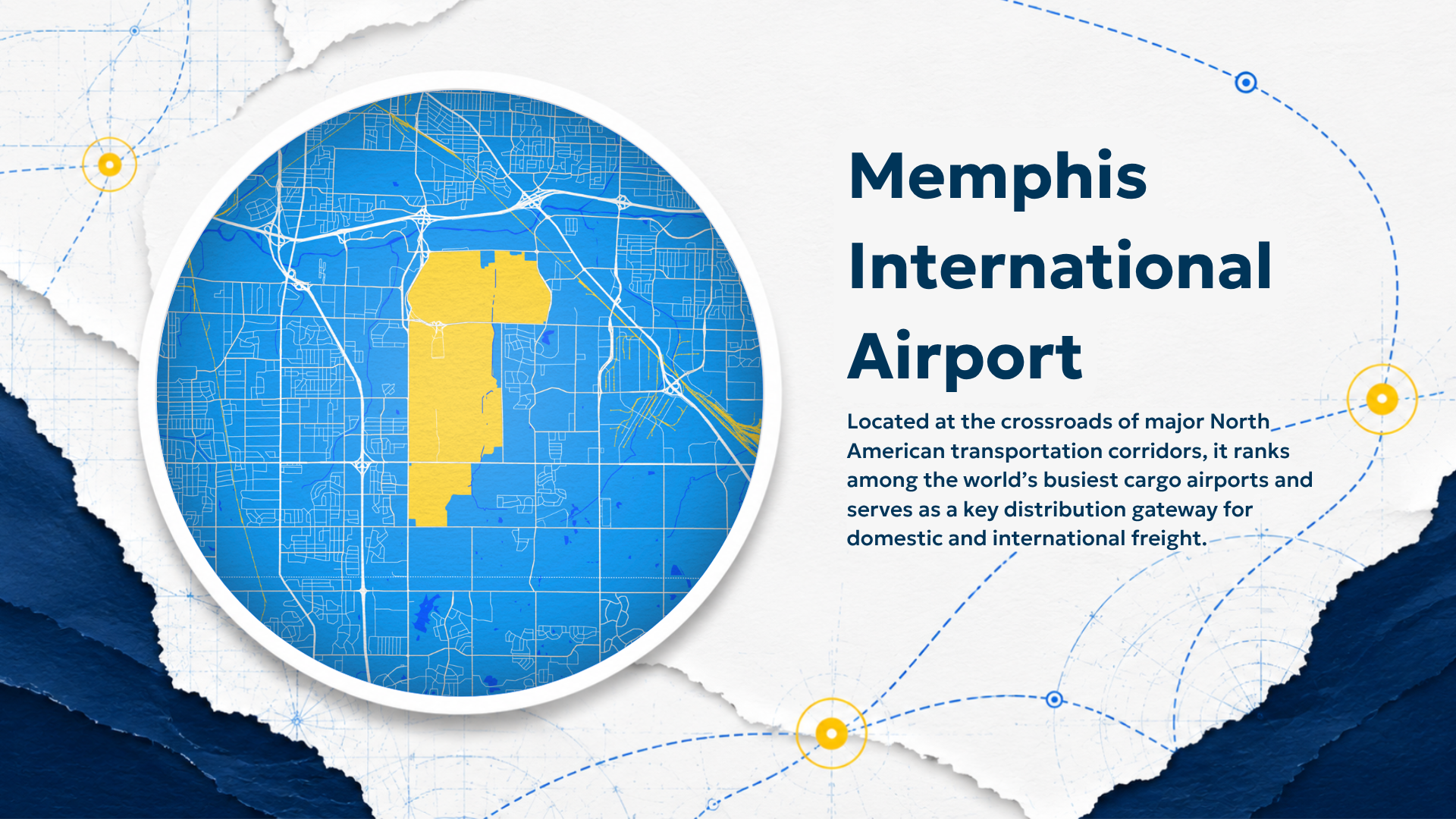
Memphis International Airport (MEM) is one of the most important air cargo gateways in the world and the busiest cargo airport in North America. Located in Memphis, Tennessee, MEM plays a central role in express shipping, time-sensitive freight, e-commerce fulfillment, medical logistics, replacement parts movement, and high-value cargo distribution across the United States and global markets.
MEM’s cargo strength is closely tied to its role as the global hub for FedEx, along with its position inside one of the most important freight regions in the United States. For businesses that need urgent air freight, reliable domestic distribution, customs support, and final-mile coordination, Dedola Global Logistics helps evaluate MEM routing, coordinate air freight, manage documentation, support customs clearance, and connect airport cargo with inland delivery networks.
Memphis International Airport (MEM) Quick Facts
- Airport name: Memphis International Airport
- IATA code: MEM
- Location: Memphis, Tennessee, United States
- Primary role: Major North American air cargo hub and express freight gateway
- Cargo ranking: Busiest cargo airport in North America and second-busiest cargo airport in the world
- Recent cargo volume: More than 3.8 million metric tons of cargo
- Major cargo operator: FedEx Express global hub
- FedEx activity at MEM: Almost 400 flights per day, with more than 34 million square feet leased on airport property
- Regional freight network: Connected to major highways, five Class I railroads, and inland waterway infrastructure
- Key cargo types: Express parcels, e-commerce shipments, medical supplies, pharmaceuticals, electronics, retail goods, automotive parts, replacement components, high-value cargo, and urgent freight
Why MEM Matters for Air Freight
Memphis International Airport is not just a regional airport. It is a core piece of North America’s express freight and overnight delivery infrastructure. Its location near the geographic center of the United States makes it valuable for shipments that need fast access to domestic markets, while its global cargo network supports international freight moving into and out of the U.S.
MEM is especially useful when speed, reliability, and shipment visibility matter more than the lowest possible freight cost. Businesses may use air freight through Memphis when cargo needs to support a production schedule, replenish inventory, protect a product launch, replace a failed part, or move regulated or high-value goods with less time in transit.
Dedola helps businesses compare MEM air freight against other air, ocean, truck, rail, and multimodal options so the final route is based on timing, landed cost, shipment risk, and customer delivery expectations.
What Cargo Moves Through Memphis International Airport?
MEM supports a wide range of air cargo, especially freight that benefits from express networks, overnight transportation, high visibility, and fast connections across the United States. The airport is particularly relevant for time-sensitive, high-value, regulated, and inventory-critical shipments.
Express Parcels and E-commerce Cargo
MEM is one of the world’s most important express cargo hubs. E-commerce brands, distributors, retailers, and marketplaces may rely on Memphis-area routing when fast parcel movement, replenishment, or customer delivery commitments are critical.
Medical Supplies, Devices, and Pharmaceuticals
Medical and healthcare shipments often require accurate documentation, reliable timing, careful handling, and clear visibility. MEM can be a practical gateway for urgent medical supplies, devices, parts, diagnostic products, lab materials, and healthcare-related shipments that cannot wait for slower transport.
Dedola supports medical supplies and devices freight shipping with routing support, customs coordination, documentation review, tracking, and mode comparisons when speed and compliance both matter.
Automotive Parts and Replacement Components
Automotive and industrial parts often move by air when downtime, backorders, repairs, or production interruptions create urgency. MEM can support replacement components, service parts, tools, machinery parts, and other time-sensitive items moving through express or consolidated air networks.
Dedola helps companies plan aftermarket auto parts imports with attention to customs requirements, classification, documentation, shipment visibility, and delivery deadlines.
Retail, Fashion, and Apparel
Retail and apparel shippers may use MEM when inventory delays threaten launch dates, seasonal selling windows, store replenishment, or e-commerce fulfillment. Air freight is not always the lowest-cost option, but it can be the right decision when missed revenue or customer disruption would cost more than faster transport.
Dedola helps brands evaluate fashion and apparel freight shipping options across air, ocean, truck, rail, and multimodal routes.
Electronics, Technology, and High-Value Goods
Electronics, devices, components, samples, prototypes, and other high-value products often require secure handling, accurate paperwork, fast transit, and proactive communication. MEM can be useful when high-value cargo needs quick access to U.S. distribution networks or international connections.
Urgent Industrial and Manufacturing Freight
Manufacturing teams may use MEM when production parts, equipment, tooling, or replacement components are needed quickly. These shipments require more than a fast flight; they require pickup coordination, documentation, airport handling, customs planning when applicable, and delivery to the final facility.
How Dedola Supports Air Freight Through MEM
Dedola Global Logistics is a freight forwarder and logistics partner. Dedola does not operate Memphis International Airport and does not own the aircraft serving MEM. Instead, Dedola coordinates freight through carrier, customs, warehouse, airport handling, and inland transportation networks.
Air Freight Coordination
Dedola’s air freight services can support urgent, deferred, consolidated, high-value, and time-sensitive shipments. The right option depends on shipment size, chargeable weight, cargo value, deadline, service level, documentation needs, and final delivery location.
Customs and Documentation Support
International cargo moving through MEM requires accurate commercial invoices, packing lists, airway bill instructions, tariff classifications, product descriptions, valuation details, and customs-ready shipment data. Dedola helps coordinate customs brokerage support and documentation review to reduce the risk of preventable clearance delays.
Domestic Distribution and Final Delivery
MEM’s value often depends on what happens after cargo arrives. Dedola helps coordinate inland delivery, truck handoffs, warehousing, distribution center delivery, appointment scheduling, and final-mile planning so cargo can move from the airport to the consignee without unnecessary delays.
Ocean, Air, and Multimodal Comparisons
Air freight through MEM is valuable when speed matters, but not every shipment needs air. Dedola can compare air freight, ocean freight, truck, rail, and multimodal options so shippers can decide whether faster transit is worth the additional cost.
Shipment Visibility and Communication
Time-sensitive freight requires fast communication. Dedola helps monitor pickup status, airport handoffs, customs milestones, carrier updates, arrival timing, and delivery progress so teams have a clearer view of where cargo stands and what needs attention.
When MEM May Be the Right Air Cargo Gateway
Memphis International Airport can be a strong fit when cargo needs fast access to U.S. markets, express networks, domestic distribution points, or global air freight connections. Businesses may consider MEM when they need to:
- Move urgent cargo through a major North American air freight hub
- Support overnight or time-sensitive delivery requirements
- Ship medical supplies, healthcare products, or regulated goods
- Move automotive parts, replacement components, tools, or repair-critical freight
- Protect retail, fashion, e-commerce, or product launch deadlines
- Move electronics, devices, samples, or high-value cargo quickly
- Use air freight as a recovery option when ocean freight is delayed
- Connect air cargo with truck, rail, warehouse, or final-mile delivery
MEM may not be the right choice for every shipment. Larger, heavier, or less urgent cargo may be better suited to ocean freight, truckload, rail, or a slower deferred air option. Dedola helps evaluate these tradeoffs before cargo is booked.
Industries That May Use MEM Air Freight Routing
Healthcare and Medical Devices
Healthcare companies may use MEM for urgent medical supplies, replacement parts, devices, samples, or regulated products. Dedola helps coordinate freight planning, documentation, customs support, tracking, and delivery visibility.
Automotive and Industrial Parts
Automotive and industrial shippers may rely on MEM when a delayed part could interrupt service, production, repair, or customer fulfillment. Dedola supports routing, classification, customs documentation, and final delivery coordination.
Retail, E-commerce, and Consumer Goods
E-commerce and retail brands may use MEM when delivery speed, inventory availability, or customer experience is the priority. Dedola helps compare express, standard air, deferred air, ocean, and multimodal options.
Fashion and Apparel
Apparel companies may use MEM when samples, seasonal goods, replenishment inventory, or premium products need faster delivery than ocean freight can provide. Dedola helps determine whether air freight is justified by the business need.
Technology and Electronics
Technology and electronics shipments often require secure handling, accurate documentation, and fast delivery. Dedola helps plan air freight for devices, components, samples, prototypes, and other high-value products.
Alternative Airports and Ports to Compare
MEM is a major air cargo gateway, but route selection should still depend on cargo type, origin, destination, urgency, and cost. Dedola may compare MEM with other airports, seaports, and multimodal options.
- Dubai International Airport (DXB) for Middle East air cargo and global connecting routes
- Liège Airport (LGG) for European air cargo and time-sensitive freight
- Port of Galveston for Gulf Coast Ro-Ro, breakbulk, vehicles, and project cargo
- Port of South Louisiana for Mississippi River bulk, grain, energy, and export cargo
- Port of Pittsburgh for Ohio River system cargo and inland multimodal freight
- Port of Qingdao, China for China-origin container, bulk, and industrial freight
- Port of Mundra, India for India-origin container, bulk, and project cargo
Comparing gateways is especially important when shipments have high value, strict delivery timing, customs complexity, changing inventory pressure, or special handling requirements.
Planning a Shipment Through MEM
Before routing freight through Memphis International Airport, shippers should prepare a detailed cargo profile. This helps Dedola compare express air, standard air, deferred air, ocean, truck, rail, warehouse, and multimodal options before the shipment is booked.
- Cargo type: Confirm whether the shipment is medical, pharmaceutical, retail, apparel, electronics, automotive, industrial, perishable, high-value, hazardous, oversized, or time-sensitive.
- Dimensions and weight: Provide package count, gross weight, chargeable weight, dimensions, pallet details, and handling requirements.
- Origin and destination: Include supplier address, pickup point, departure airport, destination airport, warehouse, distribution center, and final delivery address.
- Timing: Identify cargo-ready date, required departure window, arrival deadline, and whether delivery timing is flexible.
- Documentation: Prepare commercial invoice, packing list, airway bill instructions, tariff codes, certificates, product descriptions, and customs documents.
- Special handling: Note temperature control, security requirements, dangerous goods classification, fragility, high value, or appointment delivery needs.
- Budget and urgency: Decide whether the priority is fastest delivery, lower landed cost, reduced risk, or predictable timing.
With this information, Dedola can help determine whether MEM is the best gateway or whether another air, ocean, truck, rail, or multimodal option would better fit the shipment.
Need Help Shipping Through Memphis International Airport?
If your business is moving urgent freight, medical supplies, e-commerce cargo, electronics, apparel, automotive parts, high-value products, or time-sensitive inventory through Memphis, Dedola can help build a practical air freight strategy.
Dedola supports air freight, ocean freight alternatives, customs coordination, documentation, shipment visibility, inland delivery, warehousing, and multimodal supply chain planning.
Contact Dedola Global Logistics
Frequently Asked Questions About Memphis International Airport (MEM)
What is Memphis International Airport known for?
Memphis International Airport is known as the busiest cargo airport in North America and one of the busiest cargo airports in the world. Its cargo role is closely tied to the FedEx Express global hub at MEM.
Why is MEM important for air freight?
MEM is important because it supports high-volume express cargo, time-sensitive freight, e-commerce movement, medical logistics, replacement parts, and domestic distribution across the United States and global markets.
Can Dedola arrange air freight through MEM?
Yes. Dedola can help coordinate air freight, customs documentation, shipment tracking, inland delivery, warehousing, and multimodal planning for cargo moving through MEM when the route fits the shipment’s timing, cost, and handling requirements.
Does Dedola operate Memphis International Airport or own aircraft?
No. Dedola is a freight forwarder and logistics partner, not an airport operator or airline. Dedola coordinates shipments through carrier, customs, warehouse, airport handling, and inland transportation networks.
What cargo types are a good fit for MEM?
MEM can be a strong fit for express parcels, urgent freight, medical supplies, pharmaceuticals, electronics, retail inventory, apparel, e-commerce shipments, automotive parts, replacement components, high-value cargo, and time-sensitive products.
Should I use air freight through MEM or ocean freight?
Air freight through MEM may be best when speed, shipment value, or delivery urgency matters more than freight cost. Ocean freight is usually better for larger, heavier, or less time-sensitive cargo. Dedola can compare both options before booking.